Read about all key safety precautions for physical therapists, with checklists and strategies to protect staff, patients, and your practice.
Safety Precautions for Physical Therapists: Complete Guide
Physical therapy safety extends beyond basic fall prevention. A comprehensive safety framework protects both therapists and patients while driving practice growth. Key elements include: cultivating a proactive safety culture, protecting therapist well-being, implementing multi-layered patient safety protocols, maintaining equipment and environment standards, and preparing for emergencies.
When you prioritize safety systematically, you reduce liability, improve patient outcomes, and create a resilient practice that stands out in today’s competitive healthcare landscape.
Reframing Safety to a Competitive Advantage
In today’s competitive physical therapy landscape, a world-class safety program has evolved from a compliance checkbox to a core pillar of practice success. It directly drives patient trust, staff retention, clinical efficacy, and financial stability. Yet many clinics still take a fragmented approach, focusing only on patient falls or basic infection control while missing the bigger picture.
This comprehensive guide provides a framework that integrates therapist well-being, patient handling, environmental integrity, and emergency preparedness. If you’re a forward-thinking clinic owner, you’ll discover how a robust safety culture reduces liability, lowers insurance premiums, and becomes a powerful marketing differentiator. For practitioners, we’ll explore evidence-based protocols that protect you from injury and burnout, allowing you to focus on delivering exceptional care.

Cultivating a Proactive Safety Culture
Safety transcends simple rules and regulations. It’s about creating an environment where proactive awareness becomes second nature for every team member. When you shift from reactive to predictive thinking, your entire practice transforms.
From Reactive to Predictive
Situational awareness forms the cornerstone of effective safety management. This means training your staff to perceive, understand, and predict risks before they materialize. Rather than responding to incidents after they occur, you’re actively scanning for potential hazards and addressing them proactively.
Leadership plays a crucial role here. As a manager or owner, fostering a “no-blame” culture where staff feel safe reporting near-misses and potential hazards creates an environment of continuous improvement. When team members know they won’t face punishment for bringing up concerns, they become your early warning system for safety issues.
Integrating Safety into Daily Operations
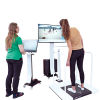
Make safety a core component of staff development, not a one-time seminar. Use simulation and hands-on training to build competency. For example, when introducing new equipment like our popular product, the PrimusRS system, ensure every staff member receives comprehensive training on its operation before working with patients.
For hospital and rehabilitation administrators managing multiple sites, a standardized safety culture becomes your most effective tool for ensuring compliance, reducing incident variability, and simplifying reporting across all locations.
Protecting Your Staff
A therapist who feels safe delivers more effective, engaged, and resilient clinical care. Your team’s well-being directly impacts patient outcomes and practice success.
Decoding Occupational Hazards of Clinic Staff
Physical therapists face unique occupational risks that require systematic attention:
Physical Risks: The active nature of physical therapy can take a toll on clinicians over time. Long hours on their feet, repeatedly demonstrating exercises, and assisting with patient transfers can lead to overuse injuries and fatigue. Maintaining core strength, flexibility, and proper body mechanics are key preventive strategies.
Biological Risks: Post-COVID protocols have permanently changed infection control standards. Maintain rigorous hand hygiene protocols, ensure proper PPE usage, and sanitize all high-touch surfaces. Create clear guidelines for when additional precautions are necessary based on patient presentation and medical history.
Chemical Risks: Safe handling of disinfectants, cleaning agents, and topical preparations requires OSHA-compliant procedures. Store chemicals properly, maintain current Safety Data Sheets, and provide regular training on proper handling techniques.

Personal Safety with Challenging Patients
Setting professional boundaries and mastering de-escalation techniques for agitated patients protects both physical and emotional well-being. Train your team to recognize warning signs of patient agitation and respond with neutral body language and environmental awareness.
When working with challenging populations, clear communication and boundary-setting become even more critical to maintain safety.
For occupational health managers and clinic owners, remember that reducing therapist injuries and burnout directly impacts your bottom line through lower workers’ compensation claims, decreased staff turnover, and improved continuity of care.
Mastering Patient Safety – A Multi-Layered Approach
Patient safety encompasses the entire care journey, from initial evaluation through discharge and home integration. Your approach must be both systematic and individualized.
Dynamic Patient Assessment
Move beyond static initial intake forms. Implement ongoing assessment of mobility, balance, strength, and cognitive status before each session. Changes in medication, sleep patterns, or general health can significantly impact a patient’s safety profile from visit to visit.
Document these assessments systematically. Tools like the PrimusRS help clinicians create objective, repeatable assessments that track changes over time, providing clear documentation for both clinical decision-making and liability protection.
Safe Patient Handling and Body Mechanics
Best practices for transfers, lifting, and guarding prevent injury to both patient and therapist. Always assess the patient’s current capabilities before attempting any transfer or hands-on technique. Use assistive devices whenever appropriate, and never hesitate to request additional help when needed.

Consider medication management as part of your safety protocol. Many patients experience dizziness, weakness, or confusion as medication side effects. Your role includes monitoring these effects and communicating concerns with the patient’s broader care team.
Safety for Specific Populations
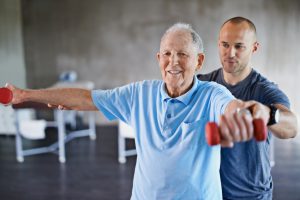
Geriatrics: Fall risk assessment becomes paramount. Consider comorbidities, polypharmacy effects, and cognitive changes. When using balance training equipment like the Alfa platform, ensure proper safety harnesses and spotting techniques are in place.
Pediatrics: Equipment modification, clear communication with parents, and creating a “safe to explore” environment require special attention. Modify your approach based on developmental stage and cognitive ability.
Neurological: Managing spasticity, cognitive deficits, and unpredictable movements demands heightened vigilance. Equipment like the Eccentron provides controlled positioning and objective data while maintaining safety during neurological rehabilitation.
Extending Safety to the Home Environment
Provide patients and caregivers with practical home safety assessments. Simple checklists covering trip hazards, lighting improvements, and grab bar placement empower patients to continue their recovery safely outside your clinic walls.
Creating a Safe Clinic Environment: Protect Staff, Patients, and Your Practice
Your physical space and equipment serve as either your greatest asset or your biggest liability. Strategic environmental management creates a foundation for all other safety efforts.
Designing Your Clinic for Safety
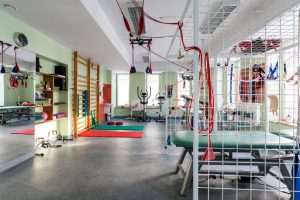
Maintain clutter-free pathways with adequate width. Install non-slip surfaces in high-traffic areas, ensure proper lighting throughout your facility, and maintain ADA compliance. Regular environmental checks help identify hazards before they cause incidents.
Comprehensive Equipment Safety Protocols
The importance of equipment management cannot be overstated. Develop daily, weekly, and monthly inspection checklists for all equipment categories:
Daily Checks: Visual inspection of cables, safety stops, and general cleanliness
Weekly Reviews: Testing of emergency stops, calibration checks, range of motion limits
Monthly Audits: Comprehensive mechanical inspection and lubrication check
When working with sophisticated rehabilitation systems like the PrimusRS, following manufacturer maintenance schedules ensures both safety and optimal performance. Document all maintenance and repairs meticulously. This documentation serves multiple purposes: liability protection, capital planning, and operational efficiency.
Ensure every staff member receives proper training on safe equipment operation. Create competency checklists for each piece of equipment, requiring demonstration of safe use before independent operation. This systematic approach prevents assumptions about skill levels and ensures consistent safety standards.
For clinic owners and managers, remember that a documented equipment maintenance program isn’t overhead; it’s an asset management strategy that protects your investment, ensures uptime, and provides powerful defense in case of incidents.
How Top Practices Stay Ahead of Emergencies
True safety excellence emerges in how you prepare for and respond to the unexpected. Elite practices don’t just react to emergencies; they anticipate and prepare for them.
Developing Actionable Emergency Protocols
Move beyond generic “call 911” instructions. Create specific, role-based response protocols for common emergencies:
Patient Fall Protocol: Immediate assessment steps, when to assist versus when to call for help, documentation requirements, family notification procedures.
Cardiac Event Protocol: AED locations clearly marked, CPR-certified staff on every shift, clear chain of command, post-event debriefing process.
Allergic Reaction Protocol: Medication locations, administration guidelines, monitoring procedures, escalation criteria.
Behavioral Escalation Protocol: De-escalation techniques, when to clear the area, security contact procedures, post-incident support.
Inclement Weather Policy: Develop a communication plan and cancellation policy for when the weather becomes unsafe for staff and patient transportation.
Intruder Protocol: Staff should initiate a lockdown by securing doors, turning off lights, moving patients to a secure location, and if possible, plan multiple evacuation routes.
Fire Drill: Your building may already have a protocol in place. If not, general safety guidelines recommend knowing the fire alarm locations, planning evacuation routes without elevators, and calling 911.
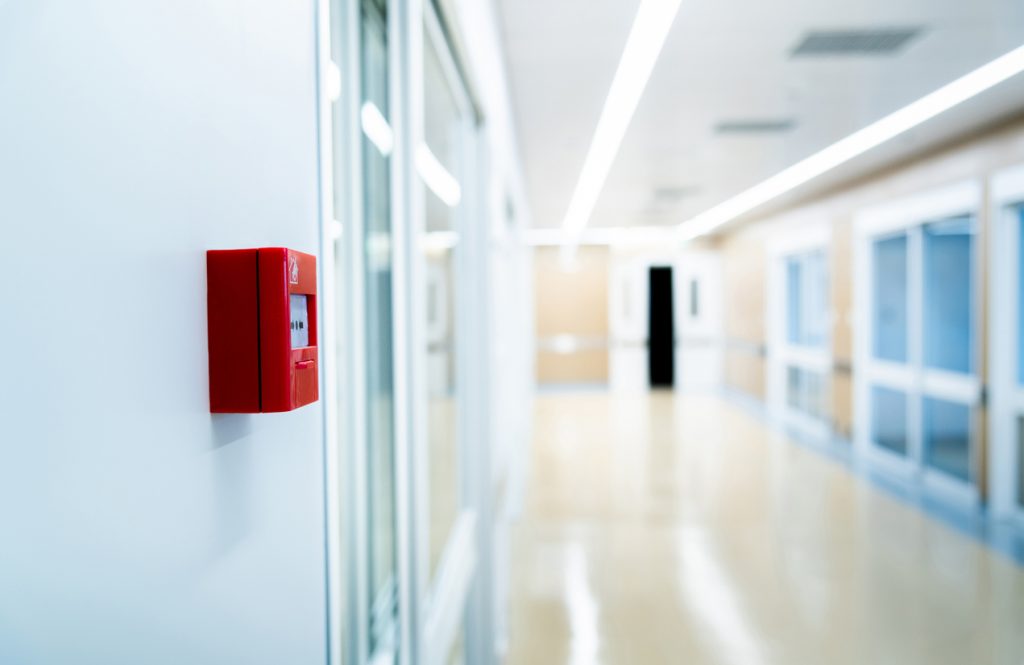
Regular drills build muscle memory that kicks in during actual emergencies. Schedule quarterly drills rotating through different scenarios to maintain readiness without disrupting patient care.
The Human Factor – Psychological Safety and Post-Incident Support
Acknowledge the emotional toll safety incidents take on your team. Even near-misses can shake confidence and impact performance.
Implement structured, non-punitive debriefing processes after incidents. Focus on learning and improvement rather than blame. Questions should explore what happened, why it happened, and how to prevent recurrence, not who’s at fault.
Build resilience by providing mental health resources and stress management support. When staff know you care about their psychological well-being, they’re more likely to report concerns and maintain vigilance.
This level of preparedness and support becomes your ultimate differentiator. It builds organizational resilience, fosters loyalty, and signals to patients, payers, and partners that you operate at the highest standard.
Conclusion: Building a Strong Safety Framework
We’ve explored the shift from fragmented safety rules to a holistic culture that protects staff, patients, and your practice itself. This comprehensive approach delivers tangible benefits across all stakeholder groups.
The next step is clear: conduct a comprehensive safety audit of your current practices. Identify gaps between where you are and where you need to be. Start with high-impact, low-cost improvements like standardizing documentation and implementing regular safety briefings.
Consider how objective assessment tools can strengthen your safety protocols. Systems like BTE’s evaluation equipment help clinicians document baseline function, track progress, and make data-driven decisions about patient readiness for advanced activities.
Remember, safety isn’t a destination but a journey of continuous improvement. Every small enhancement compounds over time, creating a practice culture where excellence in safety becomes synonymous with excellence in care. When you commit to this comprehensive approach, you transform safety from a compliance burden into your competitive advantage.

FAQs:
1. What are the proper body mechanics I should use when transferring patients?
Always bend at your knees and hips while keeping your back straight, and lift with your leg muscles rather than your back. Keep the patient as close to your body as possible during transfers, avoid twisting your spine while lifting, and pivot with your feet instead. Use a wide base of support with your feet shoulder-width apart. When possible, use assistive devices like slide boards, transfer belts, or mechanical lifts to reduce manual strain. If a patient requires more assistance than you can safely provide alone, always ask for help from a colleague.
2. How often should I clean and disinfect equipment between patients?
All equipment and treatment surfaces should be cleaned and disinfected between each patient session. This includes treatment tables, exercise equipment, parallel bars, mats, and any assistive devices used. Use EPA-approved disinfectants and follow the manufacturer’s cleaning recommendations. High-touch surfaces like door handles, light switches, and computer keyboards should be disinfected multiple times throughout the day. Document your cleaning activities as required by your facility’s infection control protocols.
3. What should I do if a patient becomes agitated or exhibits threatening behavior?
Remain calm and use non-confrontational body language with open palms and a relaxed posture. Speak in a low, steady voice and give the patient space. Do not turn your back on an agitated patient or corner them. Clearly communicate boundaries and expectations, and be prepared to end the session if necessary. Always position yourself near an exit and know the location of your facility’s panic button or emergency communication system. If you feel unsafe, immediately seek assistance from colleagues or security, and document the incident according to your facility’s protocols.
4. When and how should I inspect therapy equipment for safety?
Conduct visual inspections of all equipment at the beginning of each day and before each use with patients. Check for loose bolts, frayed cables, worn surfaces, unusual noises, or any signs of damage. Resistance bands and tubing should be inspected for nicks, tears, or thinning areas. Document any issues immediately and remove unsafe equipment from service. Follow your facility’s maintenance schedule for more thorough inspections and calibrations. Never attempt to repair equipment yourself unless you’re specifically trained and authorized to do so.
5. What personal protective equipment (PPE) should I wear during different treatments?
Standard PPE includes disposable gloves when there’s potential contact with bodily fluids, wounds, or when handling contaminated equipment. Wear masks during close-contact treatments or when working with patients who have respiratory symptoms. Eye protection may be necessary during wound care or when using certain modalities. Change gloves between patients and after any contamination. Wear closed-toe, non-slip shoes with good support. For specific treatments like wound care or aquatic therapy, additional PPE requirements may apply according to your facility’s protocols.
6. How can I maintain proper hand hygiene throughout my workday?
Wash your hands with soap and water for at least 20 seconds before and after each patient contact, after removing gloves, after touching contaminated surfaces, and before eating or drinking. Use alcohol-based hand sanitizer (at least 60% alcohol) when soap and water aren’t immediately available, but remember that hand sanitizer doesn’t replace handwashing when hands are visibly soiled. Keep your fingernails short and avoid artificial nails or nail polish that can harbor bacteria. Remove jewelry from hands and wrists before patient care, as these items can interfere with proper hand hygiene and harbor pathogens.