Cryo and Hydrotherapy Treatment: Integrating Water-Based Treatment Into Your Clinic
Treatment Guidelines
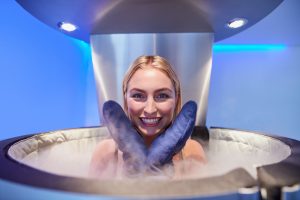
A cryosauna is a temperature-controlled enclosure with an open top. Picture a shoulder-high telephone booth without a roof. Before stepping inside, you usually put on special socks and gloves to prevent your feet and hands from getting too cold.
Modern rehab clinics are turning to a combination of cryotherapy and hydrotherapy to deliver faster recovery, stronger outcomes, and a competitive edge. Explore the science, protocols, and practical steps for safely adding cold and water-based treatments to your physical therapy workflows.
Understanding Cryotherapy and Hydrotherapy in Modern PT
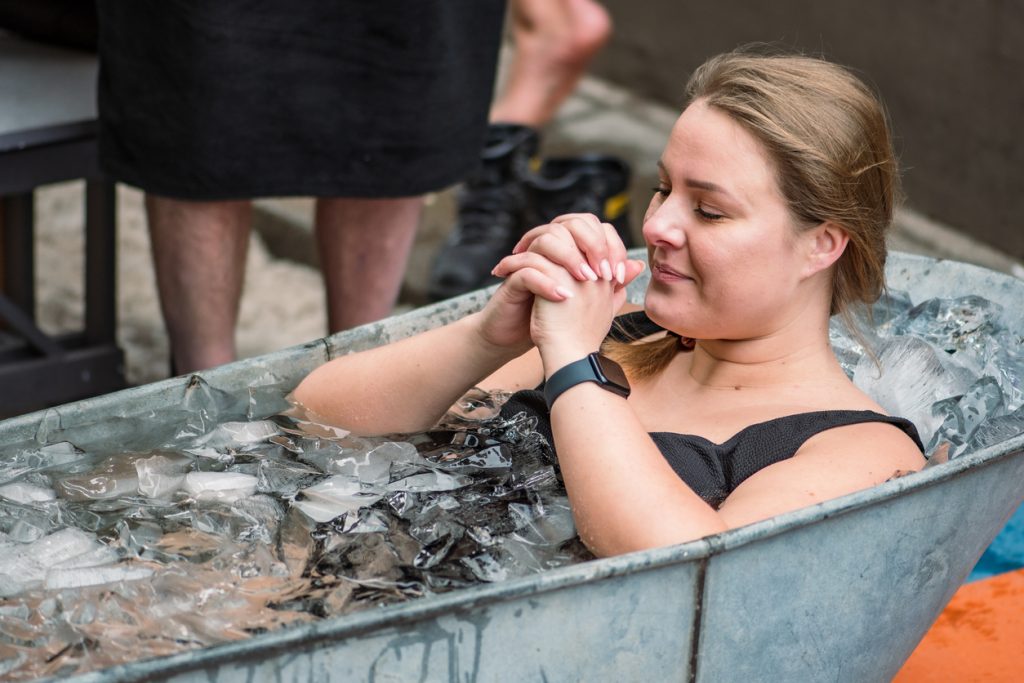
Walk into any PT clinic today and you will hear some version of the same story: A patient swears their weekend cold plunge “reset” their system. Another wants to know if your clinic offers whole body cryotherapy like the chamber they saw online. Athletes ask whether an ice bath will help them bounce back faster between heavy training days.
Cold exposure is everywhere, and suddenly clinic directors and therapists are expected to separate wellness trends from evidence-based practice.
The good news is that this curiosity is an opportunity. Patients want faster relief. Athletes want advanced recovery tools. Clinics want modalities that improve outcomes without slowing workflows. Cryotherapy and hydrotherapy sit at the center of those expectations, offering measurable ways to calm irritated tissue, reduce swelling, and help patients move more comfortably.
And while cold plunges and cryo chambers dominate social media, rehab professionals know the real value comes from using these tools with clinical intention. That starts with understanding how cryotherapy and hydrotherapy work and the scenarios where they create the most meaningful therapeutic benefit.
The Clinical Case for Cryotherapy and Hydrotherapy
How These Modalities Support Pain Relief and Performance
When applied strategically, cryotherapy and hydrotherapy give patients a faster on ramp into movement. Instead of battling stiffness, sensitivity, or swelling for the first ten minutes of a session, patients often arrive at their exercises feeling calmer, looser, and more prepared. Research shows cold based interventions can reduce inflammatory stress, decrease perceived soreness, and temporarily increase movement tolerance, allowing patients to walk, squat, reach, or lift with improved comfort. 1-3
Hydrotherapy provides something cold air or ice alone cannot. The buoyancy of water unloads painful joints and soft tissues, giving patients who cannot tolerate land-based exercise a safe place to begin early mobility. Hydrostatic pressure adds gentle external compression that helps manage swelling and supports circulation, especially useful after acute injury or surgery.
Together, these modalities help patients start moving sooner, progress more steadily, and build confidence in their ability to participate fully in their rehab plan.
The Science Behind the Response
Cold exposure triggers predictable physiological reactions that create a short but powerful therapeutic window. Vasoconstriction rapidly reduces blood flow in irritated tissue. Slowed nerve conduction decreases the sharpness of pain. Reduced metabolic demand helps calm overloaded or inflamed structures.³
Cold water immersion adds an additional element. Hydrostatic pressure assists with venous return, shifts excess fluid, reduces joint effusion, and supports circulation in ways that land-based modalities cannot replicate. These shifts make tissues easier to mobilize and temporarily reduce discomfort during strengthening or neuromuscular work.
Because these physiological effects are time limited, cryotherapy and hydrotherapy are especially effective for acute injuries, immediate post surgical phases, heavy training blocks for athletes, and chronic pain cycles characterized by sensitivity. The key is selecting the right exposure, temperature, and timing for each condition to maximize benefit.
Your Cryotherapy and Hydrotherapy Implementation Playbook
Delivering these treatments safely requires structure. Below are the core elements every clinic should build into its protocols.
Clinical Screening and Contraindications
Before applying cryotherapy treatment or hydrotherapy treatment, screen for:
- circulatory conditions
- cold intolerance
- Raynaud phenomenon
- hypersensitivity to cold
- unstable cardiac conditions
- open wounds or skin integrity concerns
A thorough pre treatment screen protects patients and the clinic and is especially important when using colder immersion or longer duration applications.
Evidence-Based Protocol Customization
Not every patient needs the same temperature, exposure time, or setup. Acute injuries often benefit from shorter and colder applications to help control early swelling. Chronic pain or soreness responds well to slightly warmer and longer immersions that reduce sensitivity without creating excessive tissue stiffness.
Athletes may use cold immersion after high volume or eccentric training, or contrast baths to speed recovery between back to back sessions. What matters most is documenting the rationale behind each protocol, tracking patient response, and fine tuning the details over time.
Staff Training and Workflow
Cold modalities only enhance outcomes when they integrate smoothly into existing care.
Focus staff training on:
- Proper temperature selection
- Safe setup and patient positioning
- Monitoring during exposure
- Communication scripts for patient expectations
- Transitioning from cryotherapy or hydrotherapy into therapeutic activity
Many clinics use cold exposure at the beginning or end of a session depending on goals, pain levels, and patient preference. A consistent workflow keeps appointments efficient while maintaining safety.
Building the Business Case for Your Clinic
Modern clinics want modalities that improve outcomes without straining budgets. Cryotherapy and hydrotherapy offer a strong return when implemented purposefully.
Equipment Selection and ROI
When clinics consider adding cryotherapy or hydrotherapy equipment, the conversation often turns to space, workflow, and financial impact. Smaller clinics may rely on simple immersion systems or localized cold units, while larger practices may build out hydrotherapy areas or incorporate more advanced cold tubs. What matters most is selecting equipment that fits your patient population, supports evidence-based protocols, and integrates smoothly into your treatment flow. Many clinics also create cash-pay options for cold immersion or cold recovery sessions, which can help offset equipment costs and meet growing patient demand.
Patient Communication and Expectation Setting
Patients want to know how cryotherapy and hydrotherapy will affect their symptoms, and a simple, clear explanation can go a long way in building trust. You might say things like:
- “The intensity peaks in the first thirty seconds, then becomes much more tolerable as your body adapts.”
- “Cold helps calm irritated tissue so we can move more effectively afterward.”
- “This is not a stand-alone fix. It sets the stage for strengthening and mobility work.”
Patients also appreciate understanding why you’ve chosen these treatments for their condition, what sensations to expect, and how they support long-term recovery. Clear expectations improve compliance and reduce drop-off, especially when patients see how cryotherapy and hydrotherapy fit into a larger plan designed to help them move, load, and progress more comfortably.
Advanced Applications and Clinical Debates
How Cryotherapy and Hydrotherapy Compare to Other Modalities
These treatments sit alongside other familiar tools like traditional ice, compressive wraps, heat therapy, and active recovery methods. Cold therapy is best used when inflammation, swelling, or pain control is the priority. Heat is better for improving soft tissue extensibility and preparing patients for mobility work. Contrast baths combine the strengths of both approaches, alternating vasoconstriction and vasodilation to support circulation and reduce soreness.⁴
Navigating the Cold Immersion Debate
Some concerns exist about whether cold immersion blunts muscle hypertrophy. Current research suggests that while repetitive cold immersion immediately after strength training may reduce anabolic signaling, this effect is minor for most clinical populations and should be weighed against benefits such as pain reduction and improved readiness².
The key is purposeful timing. Reserve immediate post workout cold immersion for:
- high soreness risk
- eccentric heavy sessions
- athletes in a congested competition schedule
For strength focused patients, cold immersion can be shifted to a different time of day.

The Future of Cryotherapy and Hydrotherapy in Physical Therapy
New digital immersion systems, portable cryo units, and integrated recovery suites are making cold based modalities more accessible to clinics of all sizes. As trends like cold plunging and whole body cryotherapy continue to grow, patients will increasingly seek clinics that offer structured, evidence based protocols rather than the extreme or unsafe versions circulating online.
Position your clinic as a recovery leader by:
- offering objective education
- customizing protocols
- tracking outcomes
- marketing the science instead of the trend
Conclusion
Cryotherapy and hydrotherapy are not just “extras” in a PT clinic. They are powerful tools that can reduce inflammation, ease pain, and support early movement when applied safely and strategically. By combining evidence based protocols with clear patient communication and smart equipment investment, clinics can deliver stronger outcomes and establish themselves as leaders in modern recovery care.
Morgan Hopkins, DPT, CMTPT is a Physical Therapist and freelance healthcare writer. She spent over eight years treating patients in outpatient orthopedics before transitioning to medical writing. Her clinical specialties include intramuscular dry needling, dance medicine, and sports medicine. Morgan is extremely passionate about holistic wellness, preventative care and functional fitness and uses writing to educate and inspire others.
References
- Bleakley, C., & Davison, G. (2010). What is the biochemical and physiological rationale for using cold water immersion in sports recovery? Systematic review. British Journal of Sports Medicine, 44(3), 179 to 187.
- Higgins, T., & Kaminski, T. (1998). Contrast therapy does not cause fluctuations in deep muscle temperature. Journal of Athletic Training, 33(1), 50 to 54.
- Algafly, A., & George, K. (2007). The effect of cryotherapy on nerve conduction velocity, pain threshold, and pain tolerance. British Journal of Sports Medicine, 41(6), 365 to 369.
- Versey, N., Halson, S., & Dawson, B. (2013). Water immersion recovery for athletes. Sports Medicine, 43(11), 1101 to 1130.