Learn how Functional Capacity Evaluations use standardized tests and job-specific tasks to objectively measure a patient’s physical work abilities.
When questions about work ability carry financial, legal, and clinical consequences, opinions aren’t enough. Employers, insurers, and legal teams need objective evidence about what an individual can safely perform on the job. That’s where a functional capacity evaluation (FCE) becomes essential.
A functional capacity evaluation (FCE) is a standardized, objective assessment that measures an individual’s physical work capacity and ability to perform job-related tasks safely. They are designed to be safe, reliable, valid, and practical, with a focus on utility, rather than diagnosis. FCEs provide concrete data about what a person can physically accomplish in a work environment, making them essential tools for return-to-work decisions, disability determinations, and legal proceedings.
For a deeper dive into tips and best practices for obtaining accurate data from your FCEs, review this expert guide on getting better data from your FCEs.
How FCEs Measure Physical Work Abilities
A functional capacity evaluation is an assessment that evaluates an individual’s physical abilities through real-world task simulations and standardized testing protocols. The evaluation focuses on functional work abilities rather than medical diagnosis, providing objective measurements of what a person can safely perform in an occupational setting. Many clinics utilize advanced functional assessment screening tools for physical therapy to ensure precise and reliable evaluations.
To learn more about the different types of tools used in these assessments, check out this overview of functional assessment screening tools for physical therapy.
Key characteristics of FCEs include:
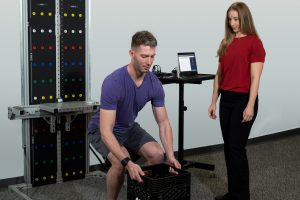
- Physical testing covering lifting, carrying, sitting, standing, walking, and endurance capabilities
- Objective measurement tools that provide quantifiable data rather than subjective opinions
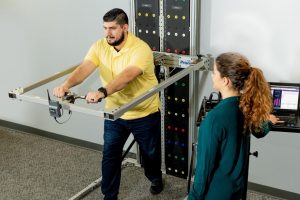
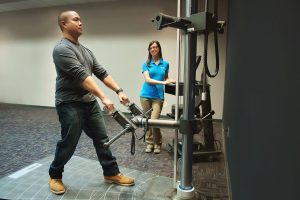
- Real-world task simulations that mirror actual job requirements and workplace demands
- Safety-focused protocols that monitor participant responses and prevent injury during testing
- Extended duration typically ranging from 4-8 hours to capture true functional capacity
- Standardized procedures that ensure consistency and reliability across different evaluators and facilities
FCEs differ significantly from regular medical examinations by emphasizing functional performance over diagnostic findings. While a medical exam might identify that a patient has back pain, an FCE determines whether that person can safely lift 50 pounds or stand for extended periods in a work environment.
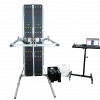
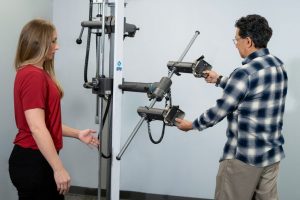
For example, many providers rely on dedicated, standardized evaluation platforms, such as our evidence-driven system, the EvalTech, to deliver consistent, repeatable Functional Capacity Evaluations (FCEs) that support objective, defensible return-to-work decisions.
The following table illustrates how FCEs compare to other common medical assessments:
| Assessment Type | Primary Focus | Duration | Setting/Environment | Outcome/Result |
| Functional Capacity Evaluation | Work-related physical abilities and safety | 4-8 hours | Simulated work environment | Specific capacity measurements and work recommendations |
| Independent Medical Examination | Medical diagnosis and treatment opinions | 1-2 hours | Clinical office setting | Medical opinions and treatment recommendations |
| Physical Therapy Evaluation | Rehabilitation potential and treatment planning | 1 hour | Clinical therapy setting | Treatment goals and therapy recommendations |
| Standard Medical Exam | Health status and medical diagnosis | 30-60 minutes | Doctor’s office | Diagnosis and medical treatment plan |
Common Situations Requiring FCE Testing
FCEs are utilized in specific situations where objective evidence of functional capacity is required for important decisions affecting employment, benefits, or legal outcomes. These evaluations serve multiple stakeholders who need reliable data about an individual’s work-related physical capabilities.
In certain fields, such as the military, FCEs can play a critical role in assessing musculoskeletal injuries and determining operational readiness. If you’re interested in military applications, explore FCEs in military MSKIs to see how they address unique occupational demands.
The following table outlines the primary use cases for functional capacity evaluations:
| Use Case/Scenario | Primary Purpose | Key Stakeholders | Typical Timeline |
| Workers’ Compensation Cases | Determine return-to-work readiness and capacity | Insurance carriers, employers, injured workers, attorneys | After medical treatment plateau |
| Disability Insurance Claims | Establish functional limitations for benefit eligibility | Insurance companies, claimants, Social Security Administration | During claims review process |
| Pre-Employment Screening | Verify ability to perform essential job functions safely | Employers, job candidates, occupational health providers | Before job offer finalization |
| Post-Injury Assessment | Resolve discrepancies between symptoms and objective findings | Healthcare providers, insurance adjusters, legal teams | When subjective complaints don’t match medical findings |
| Legal Proceedings | Provide objective evidence of functional limitations | Attorneys, courts, expert witnesses, plaintiffs/defendants | During litigation discovery phase |
Common situations that warrant an FCE include:
- Return-to-work disputes where there’s disagreement about an employee’s ability to resume job duties
- Disability benefit applications requiring objective proof of functional limitations
- Workers’ compensation settlements needing documentation of permanent work restrictions
- Employment decisions for physically demanding positions in industries like construction, manufacturing, or healthcare
- Legal cases involving personal injury claims or workplace injury disputes

Step-by-Step FCE Testing Process
An FCE follows a structured process designed to evaluate functional capacity while maintaining participant safety. The evaluation typically spans 4-8 hours and may be conducted over one or two days, depending on the complexity of testing required and the individual’s tolerance levels.
The FCE process begins with a pre-evaluation interview where the evaluator reviews medical history, current symptoms, job requirements, and functional goals. This interview establishes baseline information and helps customize the testing protocol to address specific questions about work capacity.
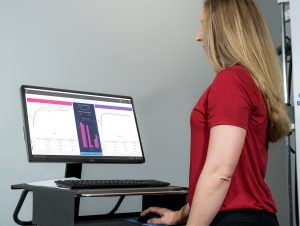
Physical testing components form the core of the FCE and include multiple assessment categories. In some cases, innovative solutions like one of our systems, the Prism are used to simulate a range of occupational tasks and measure performance.

The following table details the specific tests and measurements involved in FCE physical testing:
| Test Category | Specific Tests/Activities | What’s Being Measured | Typical Duration |
| Material Handling Tests | Lifting, carrying, pushing, pulling at various heights and weights | Maximum safe lifting capacity, endurance, technique | 2-3 hours |
| Positional Tolerance Tests | Sitting, standing, walking, crawling, kneeling, climbing | Duration tolerance for work positions | 1-2 hours |
| Fine Motor Skills Tests | Grasping, pinching, finger dexterity, hand-eye coordination | Precision work capabilities | 30-60 minutes |
| Monitoring/Safety Assessments | Heart rate, pain responses, effort level, safety awareness | Physiological responses and effort consistency | Continuous throughout |
Throughout the evaluation, trained professionals continuously monitor several critical factors:
- Effort level consistency using standardized protocols to detect submaximal effort
- Pain responses and symptoms to ensure testing remains within safe parameters
- Physiological indicators such as heart rate, blood pressure, and fatigue levels
- Safety awareness and proper body mechanics during task performance
- Functional limitations that may require work modifications or restrictions
The evaluator documents all observations, measurements, and participant responses to create a report that addresses the specific referral questions. This report typically includes capacity measurements, work recommendations, and any identified limitations or restrictions.
Functional Capacity Evaluation Conclusion
Functional capacity evaluations provide essential objective data for making informed decisions about work capacity, disability benefits, and return-to-work planning. Understanding what an FCE involves—from its testing approach to its focus on real-world functional abilities—helps individuals prepare for the evaluation and stakeholders interpret the results effectively.
The accuracy and reliability of FCE results depend significantly on the quality of testing equipment and standardized protocols used during evaluation. Industry-standard testing equipment, like ours helps ensure consistency and reliability across different FCE providers through specialized work simulation systems that enable precise measurement of lifting capacity, endurance, and work tolerance.
Whether you’re facing an FCE as part of a workers’ compensation case, disability claim, or employment decision, knowing what to expect can reduce anxiety and help you participate more effectively in the evaluation process.