The Best Occupational Therapy Equipment for Stroke Rehab: Tools to Rebuild Independence
Treatment Guidelines
Explore top occupational therapy equipment for stroke rehab designed to assist stroke survivors in regaining mobility and performing everyday tasks.
After a stroke, every movement forward matters. Recovery isn’t just about time—it’s about applying the right strategies at the right stages. For therapists, rehab specialists, and caregivers, knowing which tools to use can make all the difference. In this guide, we’ll explore the top occupational therapy equipment for stroke rehab, from practical home-use items to advanced clinical technologies.
The Role of Equipment in Stroke Recovery
Occupational therapy plays a critical role in restoring function after a stroke, helping survivors regain the ability to perform essential daily tasks. These include everything from dressing and grooming to meal preparation and navigating the home environment.
Purposeful use of equipment can significantly accelerate recovery by enabling task-specific practice, promoting movement quality, and enhancing patient confidence. Whether targeting hand coordination, core stability, or gait retraining, each tool serves a specific role in driving progress. The following sections outline a range of occupational therapy equipment—from tried-and-true essentials to the latest innovations—designed to support recovery at every phase.
What Makes Equipment Effective in Stroke Rehab?
Rehab tools are most effective when they support neuroplasticity—the brain’s ability to rewire itself through repetition and task-specific training. Whether the goal is to improve hand function, gait, or coordination, equipment should help patients engage in meaningful movement safely and consistently.
But before equipment is even selected, accurate stroke identification is critical. Assessments like the HINTS stroke test (Head-Impulse, Nystagmus, Test-of-Skew) can play a vital role in early detection, ensuring patients are directed to appropriate care as quickly as possible.
Once recovery begins, effective equipment typically shares these characteristics:
- Ease of use – Practical for both clinicians and patients
- Safety – Especially for those with mobility or balance limitations
- Adjustability – Adapts to different stages of recovery
- Measurable outcomes (especially in clinics) – Supports measurable progress and clinical decision-making
Tools that align with these standards are more likely to facilitate lasting improvements and help stroke survivors return to meaningful daily activities.
Categories of Occupational Therapy Equipment for Stroke Recovery
Let’s explore the most useful types of occupational therapy equipment for stroke rehab. We’ll include simple tools for daily use, as well as high-performance clinical solutions like BTE’s Capri, Alfa, Simulator II, and PrimusRS—sophisticated systems designed to support targeted therapy, real-time feedback, and measurable outcomes in a professional setting.
1. Upper Body Strength & Range of Motion Tools
Neuromuscular Electrical Stimulation (NMES)
For patients with flaccid paralysis or severe weakness, active movement might not be possible yet. NMES devices use small electrical currents to contract the muscle artificially.
- Clinical Application: OTs frequently use NMES on the wrist extensors to help a patient open their hand, or on the deltoids to prevent shoulder subluxation (dropping of the shoulder joint).
- Integration: Advanced clinics combine NMES with functional tasks on the PrimusRS. By stimulating the muscle while the patient attempts a movement on the machine, you maximize muscle recruitment.
Common tools: Resistance bands, arm bikes, and shoulder pulleys are foundational tools for building strength and enhancing range of motion in stroke rehab.
At home: Simple yet effective exercises like wall slides using a towel or the use of hand bikes provide accessible, low-tech solutions to promote movement and strength.
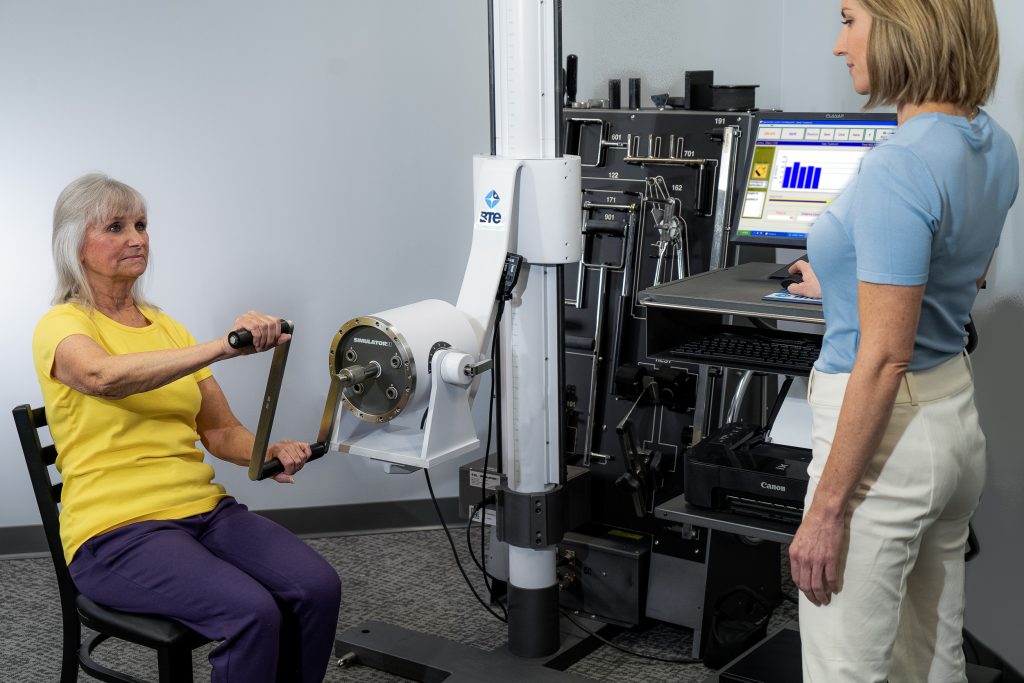
In the clinic: Simulator II offers a sophisticated approach by simulating real-world tasks, such as lifting, reaching, or pulling, to help patients safely build strength and refine motor skills. This advanced system tracks progress with precise data, allowing therapists to monitor and guide recovery in real time.
2. Fine Motor Skills & Hand Function Tools
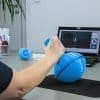
Common tools: Therapy putty, peg boards, grip balls, and clothespins are widely used to restore hand control and enhance dexterity.
At home: Adaptive tools such as utensil holders and writing aids facilitate daily activities, helping patients regain independence in everyday tasks.
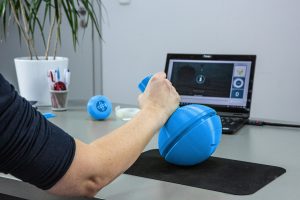
In the clinic: Capri utilizes task-based gaming that is both engaging and highly effective for fine motor recovery. The system encourages neurological stimulation and supports high-repetition exercises, both of which are crucial for optimal hand recovery. Supported by clinical research, Capri delivers measurable outcomes, promoting long-term recovery.
3. Functional Mobility Tools
Common tools: Reachers, dressing sticks, and adaptive kitchen tools are essential for supporting independence in daily tasks.
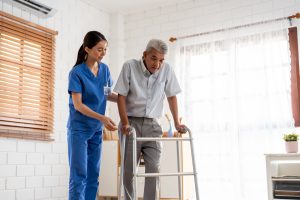
Tech tools: Gait trainers and motion sensors assist with safe ambulation and enhance walking abilities in stroke survivors.
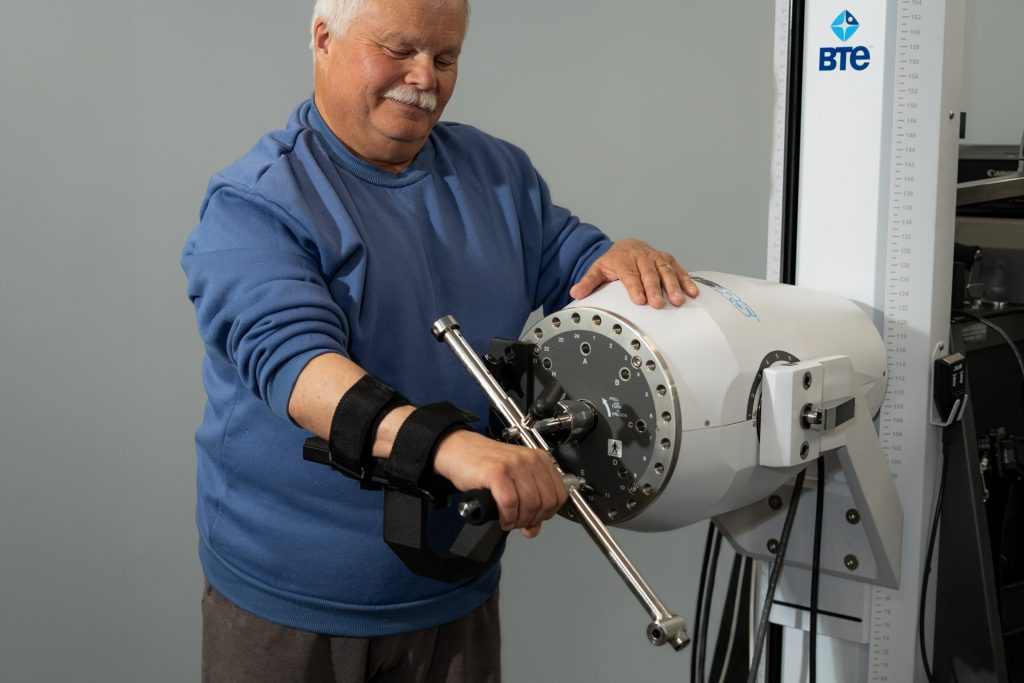
In the clinic: PrimusRS stands out by enabling therapists to simulate functional movements—from transitioning in and out of a chair to performing everyday activities like cooking or cleaning. This advanced system combines both evaluation and treatment in one platform, with specialized attachments to measure and track progress across various functional activities.
4. Balance Tools
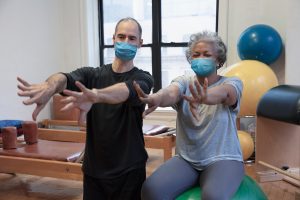
Common tools: Balance pads, wobble boards, foam rollers, and discs are excellent for stability training and improving coordination.
At home: Simple exercises such as step-ups, heel-to-toe walking, or supported balance drills using a wall can significantly enhance balance in a safe and manageable way.
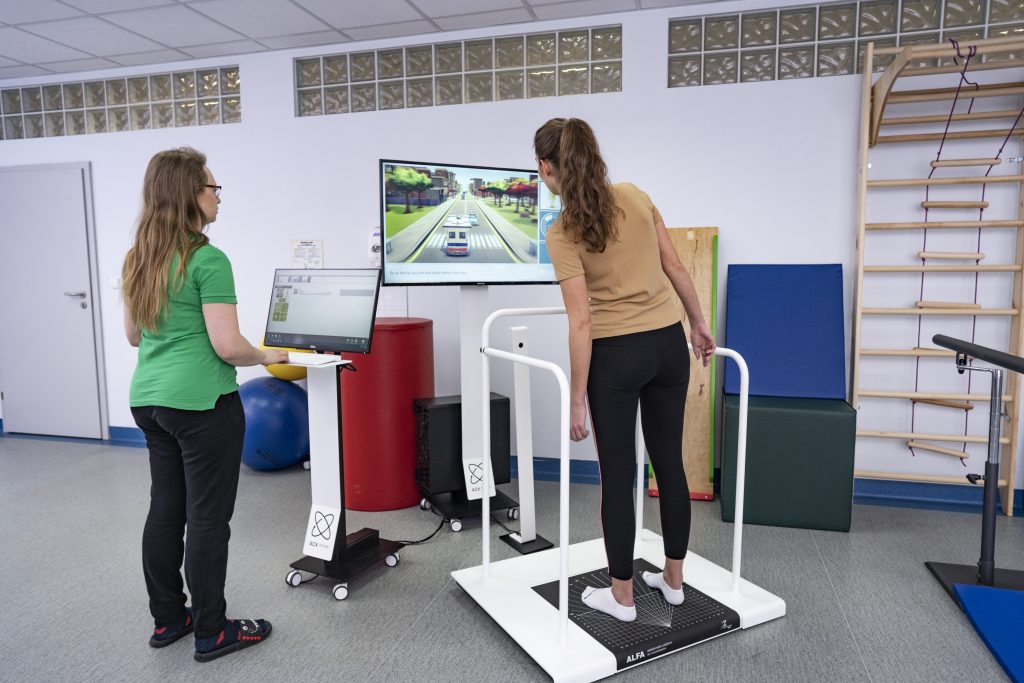
In the clinic: Alfa introduces a cutting-edge approach by combining gaming with visual feedback to support balance training. This interactive system not only engages patients but also helps improve coordination, which can then be translated into real-world applications for greater functional independence.
5. Cognitive-Motor Dual Tasking Tools
Stroke survivors often struggle with “dual-tasking”—such as walking while talking, or balancing while reaching for a cup. Modern rehab requires training the brain and body simultaneously.
Common tools: Stroop test cards, sequencing puzzles, and auditory metronomes.
In the clinic: The Alfa system excels here by forcing the patient to balance (motor task) while solving puzzles or hitting targets on a screen (cognitive task). This “dual-task” training prepares patients for the chaos of the real world, like navigating a busy grocery store without falling.
6. Sensory Re-Education Tools
Motor recovery is difficult if the patient cannot feel their limb. Sensory re-education is a vital precursor to fine motor work.
Common tools: Stereognosis kits (identifying objects by touch), varying texture fabrics (rough to smooth), and vibration tools.
In the clinic: Mirror Therapy Boxes are a powerful tool here. By viewing the reflection of their unaffected limb moving, the patient “tricks” the brain into visualizing movement in the affected limb, helping to reduce pain and wake up dormant neural pathways.
Tips for Selecting the Right Equipment
Selecting the right rehabilitation tools begins with a clear understanding of the patient’s recovery stage, setting, and functional goals. For occupational therapists, this means tailoring equipment choices to support both motor and cognitive progress, whether care is delivered at home or in a clinical environment.
| Rehabilitation Goal | Best Home Tool | Best Clinical System (BTE) | Why the Clinical System Wins |
|---|---|---|---|
| Grip Strength | Therapy Putty / Stress Ball | Simulator II | Putty provides resistance, but Simulator II tracks exact grip force and consistency of effort, detecting even small improvements. |
| Fine Motor Skills | Peg Board | Capri | Capri uses gamification to encourage thousands of repetitions (high dosage) in a single session, far more than a patient will perform with static pegs. |
| Balance | Foam Pad | Alfa | Alfa provides real-time visual biofeedback, showing the patient exactly where their center of gravity is and training stability limits safely. |
| Shoulder Mobility | Wall Ladder / Pulley | PrimusRS | PrimusRS can simulate eccentric (controlled lowering) loads and offers continuous passive motion (CPM) for early-stage rehab. |
In the clinic, systems like those from BTE offer powerful advantages. Their devices support neuromuscular reeducation by promoting task-specific training with measurable outcomes, helping clinicians monitor progress and adjust interventions accordingly.
Of course, timelines can vary. Knowing how long rehab after a stroke typically takes can inform equipment planning and help set realistic expectations for both patients and care teams.
Simple Home-Based Equipment Worth Having
Not every tool needs to be complex or high-tech. In fact, many stroke survivors and their caregivers benefit from straightforward, easy-to-use items that promote independence and support recovery at home.
Key tools include
- Sock aids
- Reachers/grabbers
- Jar openers
- Dressing sticks
These practical items are essential for reinforcing skills learned in therapy and encouraging self-sufficiency. They’re cost-effective, easy to find, and provide valuable support for patients as they regain confidence and function in their daily routines.
Empower Stroke Recovery With the Right Tools
Choosing the right occupational therapy equipment for stroke rehab can make a meaningful difference in helping stroke survivors regain confidence, function, and independence. Whether you’re using simple home devices or more advanced tools in the clinic, every piece of equipment has a role to play in the rehab process.A combination of everyday aids and professional therapy equipment will give patients the best chance for a full recovery, helping them reclaim the independence and skills they need to return to their daily lives.
Interested in learning more? Explore how BTE’s functional rehab tools can help you deliver more personalized, data-driven care that leads to better results.
Learn About Functional Rehab Tools
Morgan Hopkins, DPT, CMTPT is a Physical Therapist and freelance healthcare writer. She spent over eight years treating patients in outpatient orthopedics before transitioning to medical writing. Her clinical specialties include intramuscular dry needling, dance medicine, and sports medicine. Morgan is extremely passionate about holistic wellness, preventative care and functional fitness and uses writing to educate and inspire others.