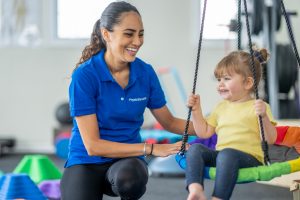

Transform your pediatric OT clinic with strategic equipment investments that drive superior outcomes and revenue growth. Discover how to select tools that boost clinical efficacy, improve therapist efficiency, and create measurable ROI. From sensory integration systems to fine motor tools, learn the goal-first approach that positions your clinic as a market leader.
Equipping a pediatric OT clinic requires strategic planning that balances clinical effectiveness with business sustainability. Focus on three core equipment categories: gross motor/vestibular systems for foundational development, sensory integration tools for self-regulation, and fine motor equipment for functional outcomes. Consider technology-enhanced solutions that provide objective data and increase engagement. Your equipment choices directly impact revenue potential, clinical outcomes, and market differentiation—making them investments, not expenses.
Equipment is Not a Cost—It’s a Clinical and Business Asset
Let’s address the elephant in the therapy room: the pediatric therapy market is more competitive than ever. You’re likely asking yourself how to differentiate your clinic, attract more referrals, and achieve the kind of outcomes that justify reimbursement rates. The answer isn’t just about working harder—it’s about working smarter with strategic equipment investments.
This guide goes beyond a simple shopping list of swings and therapy balls. We’re talking about a strategic framework for selecting pediatric OT equipment that directly impacts your key performance indicators. Whether you’re focused on enhancing service offerings, enabling evidence-based protocols, or creating standardized therapeutic environments, your equipment choices shape your clinic’s success story.
The Foundational Framework: Aligning Equipment with Clinic Goals
Before you purchase a single piece of equipment, define what you want your tools to achieve. This goal-first approach separates thriving clinics from those merely surviving.
Clinical Efficacy & Objective Outcomes
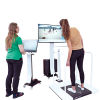
Your equipment should enable quantifiable progress tracking. When you can measure improvements in balance, grip strength, or sensory processing with objective data, you’re speaking the language that payers and parents understand. Systems like the Alfa balance platform help clinicians provide interactive balance training while capturing objective performance data—transforming subjective observations into measurable progress reports.
Revenue Growth & Differentiation
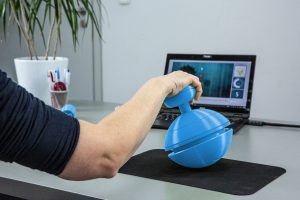
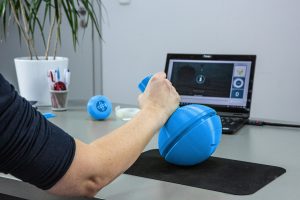
A specialized vestibular system or comprehensive sensory gym can become a premium service line that attracts specific patient populations and supports higher billing rates. Think about it: when parents are choosing between clinics, the one with specialized equipment for their child’s specific needs wins every time. Therapeutic gaming systems like Capri for upper extremity rehab provide a fun, interactive, technology-driven experience patients look forward to – differentiating your clinic from the rest.
Workflow Efficiency & Throughput
Versatile, easy-to-set-up equipment maximizes therapist time and allows for smoother transitions between patients. This isn’t just about convenience—it’s about improving overall clinic capacity without sacrificing quality of care.
Core Equipment Categories for Maximum Clinical Impact & ROI
The Workhorses: Gross Motor & Vestibular Systems
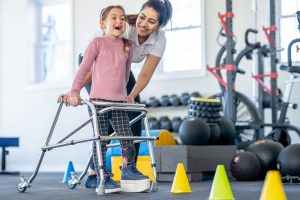
These foundational pieces form the backbone of your pediatric practice. We’re talking about vestibular swings, platform swings, balance beams, therapy rolls, climbing structures, and trampolines. But here’s what makes them strategic investments rather than simple purchases:
Versatility equals ROI. These cornerstone investments serve children across a wide range of diagnoses, from developmental delays to sensory processing disorders. You’re maximizing utility per square foot—crucial when clinic space comes at a premium.
The ability to link equipment use to specific objective tests transforms your documentation game. When you connect swing activities to improvements in the Timed Up and Go test or functional reach assessments, you’re providing the hard data needed for cleaner reimbursement.
Systems with built-in tracking and automated reporting make all the difference. Alfa’s objective balance assessments provide detailed data on clients’ dynamic balance, postural control, directional stability, and other elements of vestibular conditions. This quantified data helps justify continued care and demonstrates the measurable impact of your care.
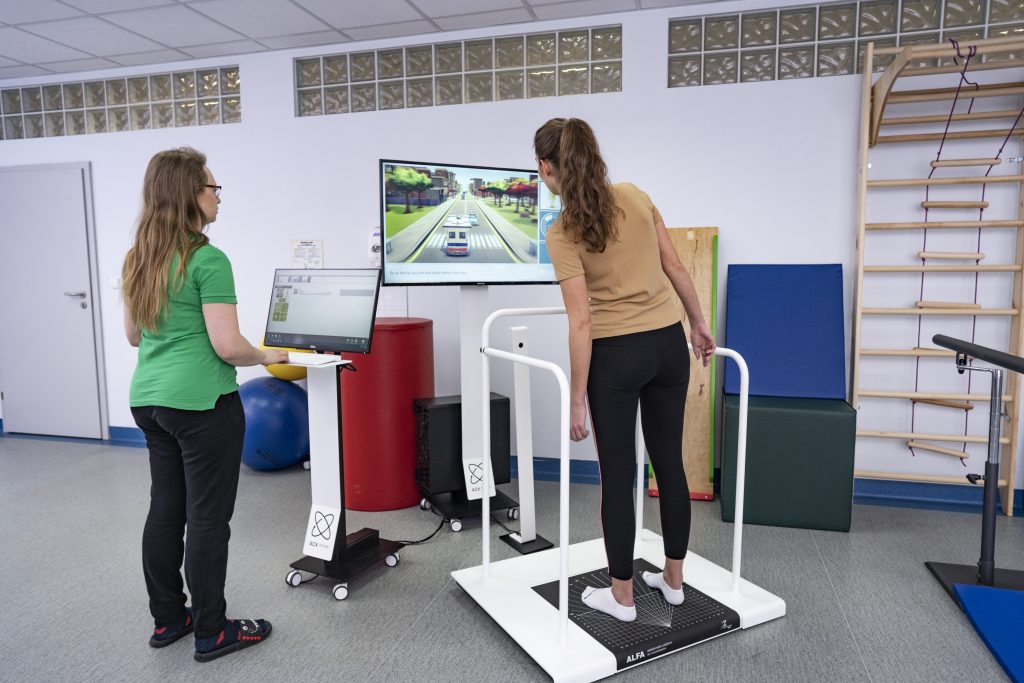
Don’t underestimate the marketing power of a well-designed gross motor space. During clinic tours, parents see the possibilities for their child’s development. That “wow factor” converts inquiries into enrolled patients.
The Differentiator: Sensory Integration & Self-Regulation Tools
Your sensory integration toolkit should include weighted products (vests, lap pads), sensory seating options (wobble chairs, stability cushions), fidget tools, tactile items like therapy putty, body socks, and environmental supports including noise-reduction headphones and light filters.
Here’s the strategic value: offering a comprehensive sensory toolkit positions your clinic as the go-to expert in sensory processing. Schools and pediatricians send their most complex cases to clinics they trust with specialized expertise.
These tools also improve session productivity in ways that directly impact your bottom line. When children can self-regulate effectively, therapists conduct more focused sessions with less behavioral management time. You’re essentially increasing the therapeutic value of each billable unit.
Consider creating a dedicated “Sensory Room” or “Regulation Station.” This specialized environment becomes a unique service offering that differentiates your clinic and can support premium billing when properly documented.
The Functional Outcomes Hub: Fine Motor & ADL Equipment
This category includes handwriting tools (slant boards, pencil grips), therapy putty, pegboards, building blocks, dressing boards, and adaptive daily living aids. For technology-enhanced fine motor training, the Capri system provides gamified hand therapy that helps clinicians address neuromuscular control and fine motor skills while maintaining objective progress tracking.
Fine motor achievements create your most powerful success stories. When a child who couldn’t hold a pencil writes their name for the first time, that’s a testimonial that markets itself. These tangible improvements resonate with parents and referral sources alike.
Progress in this area is inherently measurable—”improved tripod grasp,” “independently buttons shirt,” “completes 20-piece puzzle in under 5 minutes.” This concrete documentation simplifies your notes while supporting medical necessity for continued services.
Bridging the Gap: Untapped Opportunities Your Competitors Miss
Integrating Technology for Objective Data and Engagement
The pediatric therapy landscape is evolving beyond traditional tools. Interactive software, therapeutic apps, and gamified equipment engage today’s tech-native children while providing the objective data that administrators and payers demand.
Technology-enhanced tools often include built-in progress tracking and reporting features. This satisfies administrators’ needs for data-driven decision-making while reducing documentation burden on therapists. When a device like Capri gamifies hand therapy exercises, you’re seeing increased patient buy-in and engagement—children actually look forward to therapy sessions.
Designing the High-Performance Clinic: Layout, Safety, and Standardization
Think of your clinic layout as equipment itself. Strategic space planning impacts workflow efficiency, safety, and the overall therapeutic experience. Create flexible zones that can transition from gross motor activities to quiet sensory work. Design clear sight lines for supervision while maintaining distinct activity areas.
A well-designed space reduces liability concerns and improves therapist efficiency. When equipment has designated storage and activity zones flow logically, you minimize transition time between patients. For hospital systems managing multiple sites, creating a standardized equipment and layout playbook ensures consistent quality of care across locations.
Safety considerations extend beyond basic compliance. Antimicrobial equipment surfaces, easy-to-clean materials, and proper spacing between activity areas protect both patients and your practice. In our post-pandemic world, parents actively seek clinics that prioritize hygiene alongside therapeutic excellence.
The Business Side: ROI, Funding, and Smart Purchasing
Let’s address what keeps clinic owners awake at night: cost management and return on investment. Here’s a simple framework for calculating equipment ROI:
- Determine potential billable hours: How many sessions per week will use this equipment?
- Calculate revenue potential: Billable hours × average reimbursement rate
- Factor in differentiation value: Will this equipment attract new referrals or enable premium services?
- Consider longevity: Quality equipment that lasts 10 years offers better ROI than cheaper alternatives requiring frequent replacement
Explore creative funding options beyond traditional purchasing. Equipment leasing preserves capital while providing tax advantages. Grant opportunities exist through local foundations, children’s charities, and healthcare innovation funds. Many suppliers offer bundle pricing that can reduce per-item costs.
Consider phased implementation strategies. Start with versatile core equipment that serves multiple populations, then add specialized tools as specific programs develop. This approach manages cash flow while building comprehensive capabilities over time.

Build a Clinic That Performs
Strategic equipment selection serves as a powerful lever for achieving superior clinical outcomes and robust business growth. When you align your equipment choices with clear clinical and business goals, you create a practice that serves children effectively while thriving financially.
A thoughtfully equipped clinic leads to measurable benefits across all stakeholders. Your young patients achieve better outcomes through engaged, evidence-based therapy. Your therapists work more efficiently with tools that support their clinical expertise. Your business grows through differentiated services, improved reimbursement rates, and powerful word-of-mouth marketing from successful outcomes.
The path forward is clear: move beyond viewing equipment as an expense and recognize it as an investment in your clinic’s future. Whether you’re expanding services, improving outcomes documentation, or creating a market-leading pediatric program, your equipment strategy drives your success.
Ready to transform your pediatric OT clinic into a high-performance treatment center? Start by auditing your current equipment against your clinical and business goals. Identify gaps where strategic investments could enhance outcomes, improve efficiency, or create new service lines. Remember, in pediatric therapy, the right tools don’t just support treatment—they enable clinicians to unlock each child’s full potential.
Pediatric OT Equipment FAQs
-
What safety protocols should we follow when using suspension equipment like swings and bolster swings with pediatric clients?
Always inspect suspension hardware and attachment points before each session, checking for wear, rust, or loose connections. Ensure weight limits are clearly posted and never exceeded — most pediatric swings support 100–200 pounds maximum. Maintain a 6-foot clearance zone around all suspended equipment. Use proper spotting techniques and never leave a child unattended on suspension equipment. Document any equipment concerns immediately and remove damaged items from use. All staff should complete hands-on training for suspension equipment before working independently with clients.
-
How often should we clean and sanitize sensory equipment, and what products are safe to use?
Clean all equipment between each client session using EPA-approved disinfectants that are safe for children’s environments. For porous materials like therapy balls and foam equipment, use quaternary ammonium-based cleaners. Non-porous surfaces can be cleaned with 70% isopropyl alcohol wipes. Weighted items and fabric-covered equipment should be cleaned weekly with antimicrobial solutions, and removable covers should be machine-washed. Sensory bins require complete material replacement weekly or when visibly soiled. Always allow equipment to air dry completely before the next use to prevent mold growth.
-
What are the key considerations when selecting adaptive equipment for children with different developmental needs?
Consider the child’s chronological age versus developmental age when sizing equipment — a 10-year-old with developmental delays may need equipment designed for younger children. Evaluate the child’s strength, range of motion, and cognitive abilities to ensure equipment challenges them appropriately without causing frustration. Choose adjustable equipment when possible to accommodate growth and skill progression. Consider sensory preferences — some children need firm proprioceptive input while others require gentle tactile experiences. Always involve the child’s primary therapist in equipment selection and ensure caregivers understand proper use for home carryover.
-
How do we determine appropriate weight limits and sizing for climbing structures and gross motor equipment?
Follow manufacturer specifications strictly — most pediatric climbing equipment supports 75–150 pounds depending on design. Consider dynamic loading, which can be 2–3 times the child’s static weight during active play. Ensure platform heights are appropriate for the child’s age group: 18–24 inches for ages 2–5, 24–48 inches for ages 5–12. Verify that fall zones meet safety standards with appropriate impact-absorbing surfaces extending 6 feet in all directions. Document weight and height restrictions clearly on equipment and train staff to assess each child’s suitability before use.
-
What documentation and maintenance records should we keep for pediatric OT equipment?
Maintain daily inspection logs for all equipment, noting any wear, damage, or safety concerns. Keep purchase records, warranty information, and manufacturer maintenance guidelines for each piece of equipment. Document all repairs, replacements, and deep cleaning schedules. Record any incidents or near-misses involving equipment use. Maintain calibration records for any measurement tools or electronic equipment. Create equipment-specific protocols that include setup instructions, safety precautions, and troubleshooting steps. Store all documentation in both physical and digital formats for easy access during inspections or audits.
-
How can we effectively train new staff members on proper use of specialized pediatric OT equipment?
Implement a structured competency checklist covering equipment setup, safety protocols, and age-appropriate applications for each major equipment category. Provide hands-on training with experienced mentors before allowing independent equipment use. Require new staff to observe at least five therapy sessions using each type of equipment before attempting independent use. Create quick-reference guides with photos showing proper positioning, safety measures, and common modifications for different diagnoses. Schedule quarterly refresher training sessions to review equipment updates, safety protocols, and new techniques. Maintain training records for each staff member to ensure compliance with continuing education requirements.