
Discover how the right pediatric PT equipment drives clinical excellence, operational efficiency, and revenue growth. From adaptive mobility tools to VR technology, learn to build a data-driven equipment strategy that differentiates your practice and maximizes ROI. Essential guide for clinic owners and administrators.
Guide to Pediatric PT Equipment
Your clinic’s pediatric PT equipment isn’t just about helping kids—it’s a strategic business asset that drives clinical outcomes, operational efficiency, and practice growth. This guide shows clinic owners and managers how to build a data-driven equipment strategy that differentiates your practice, optimizes workflows, and improves your bottom line. We cover core equipment categories, emerging technologies like gamification, and how to create seamless clinic-to-home continuity of care.
Your Equipment is a Business Asset, Not Just a Clinical Tool
Let’s be honest—when you’re running a pediatric therapy practice, equipment decisions can feel overwhelming. You’re balancing clinical needs, budget constraints, space limitations, and the pressure to deliver exceptional outcomes. But here’s what most equipment guides won’t tell you: your pediatric PT equipment strategy directly impacts your practice’s financial health and market position.
If you’re a clinic owner, manager, or administrator, this guide speaks directly to you. We’re moving beyond the typical “what equipment helps with balance” conversation. Instead, we’ll explore how thoughtful equipment choices drive measurable business results—from cleaner reimbursement through objective data capture to creating competitive advantages that attract more referrals.
The Strategic Framework: Linking Equipment to Key Performance Indicators
Your equipment choices should align with your practice’s key performance indicators. Let’s break this down by stakeholder:
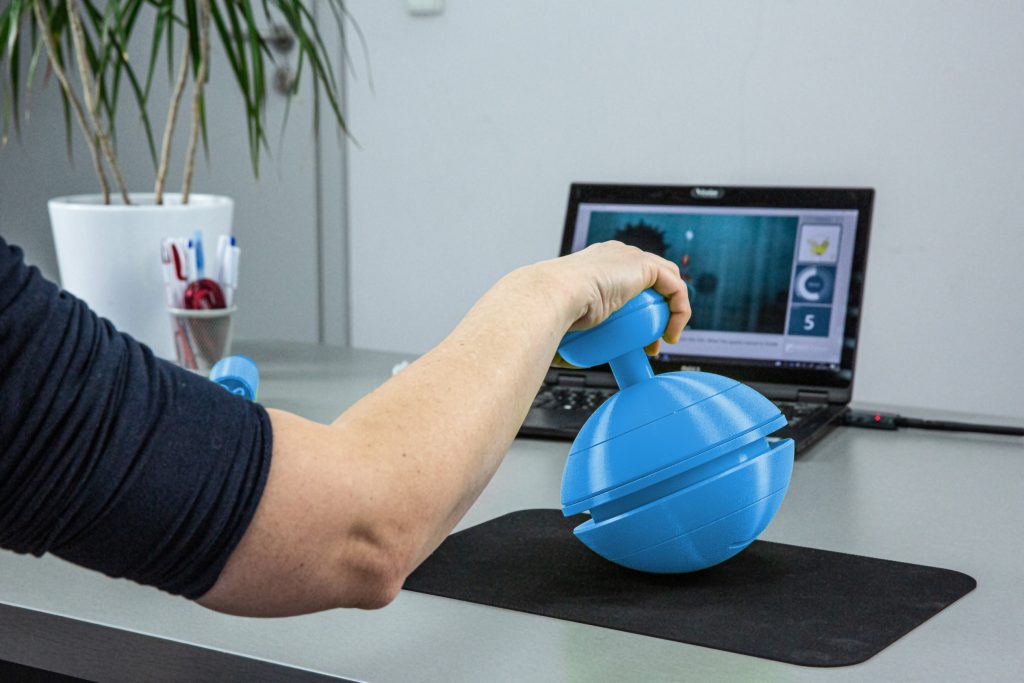
For Clinic Owners: Every equipment purchase needs to demonstrate clear return on investment. When you invest in systems that provide objective, quantifiable data—like the Capri system for gamified hand therapy—you’re not just buying a tool. You’re investing in cleaner reimbursement through better documentation, market differentiation through innovative technology, and increased patient retention through engaging therapy experiences.
For Clinical Practitioners: The right equipment helps you capture objective testing data, implement evidence-based protocols, and drive patient engagement. Consider how an interactive balance platform like Alfa transforms subjective balance observations into measurable, trackable metrics that support your clinical decision-making.
For Hospital and System Administrators: Standardization across facilities becomes achievable when equipment provides consistent, reliable data output. This improves patient throughput, ensures compliance, and creates robust reporting capabilities that satisfy both internal quality metrics and external regulatory requirements.
Core Equipment Categories: A Clinical and Operational Analysis
Adaptive & Mobility Equipment: Proving Functional Gains
Gait trainers, standers, and pediatric wheelchairs form the foundation of many pediatric PT programs. But here’s the operational insight: these tools do more than support mobility—they generate documentable functional improvements that justify higher reimbursement rates.
When evaluating adaptive equipment, consider workflow efficiency. Can one therapist safely manage this equipment while maintaining hands-on guidance? Does it allow for group therapy sessions that maximize your staff’s productivity? Equipment that requires minimal setup and adjustment time directly impacts your daily patient capacity.
The data angle is crucial here. Modern rehab systems like PrimusRS can objectively measure strength and functional improvements, providing the quantified data that insurers increasingly demand. This transforms your equipment from a cost center into a revenue driver.
Therapeutic Exercise & Balance Tools: Standardizing Excellence
Therapy balls, balance beams, and obstacle courses might seem basic, but they’re workhorses in pediatric PT. The strategic opportunity lies in standardization. When you develop consistent protocols around these tools, you create repeatable, measurable interventions that new staff can quickly master.
Consider implementing technology-enhanced balance training. The Alfa balance platform allows clinicians to provide balance exercises via therapeutic gaming, turning traditional balance training into fun, measurable sessions. Built-in balance assessment protocols unlock objective evaluations to inform the treatment plan and support data-driven documentation. This approach helps you track coordination improvements objectively—data that speaks volumes during insurance reviews and parent conferences.
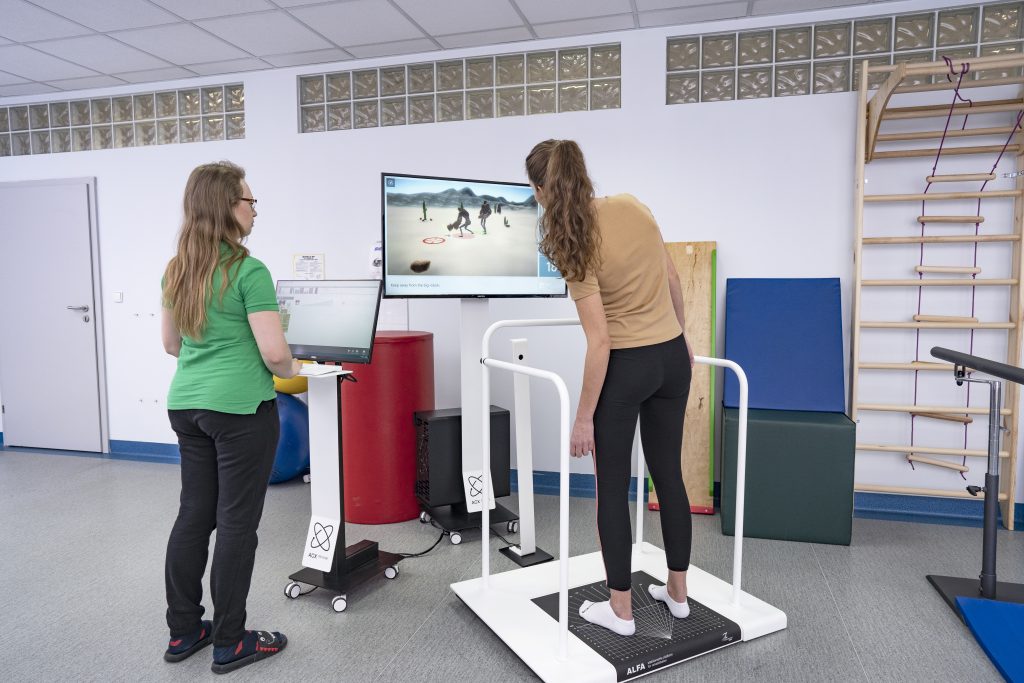
Space optimization matters here too. Multi-functional equipment that serves various therapeutic goals maximizes your square footage ROI. For example, a single balance platform that offers dozens of exercise variations provides more value than multiple single-purpose tools.
Sensory Integration Tools: Creating Your Specialty Niche
Sensory swings, weighted vests, and tactile mats help position your clinic as a specialized pediatric center. This differentiation attracts specific referral sources—developmental pediatricians, neurologists, and autism specialists who need trusted therapy partners.
The operational impact extends beyond clinical outcomes. Sensory equipment often requires dedicated space and specific safety considerations. Plan your layout to create sensory zones that minimize disruption to other therapy activities while maintaining clear sight lines for supervision.
Documentation remains critical. While sensory integration benefits can seem subjective, pairing traditional sensory tools with objective measurement systems helps quantify improvements in self-regulation, attention, and motor planning. This data supports both clinical decision-making and reimbursement justification.
The Future is Now: Leveraging Technology for Competitive Advantage
Gamification and Virtual Reality: Engagement Meets Evidence
We’re seeing a fundamental shift in pediatric therapy. Kids who grew up with tablets and gaming systems respond differently to traditional therapy approaches. Gamification isn’t just trendy—it’s becoming essential for patient engagement and retention.
The Capri system exemplifies this evolution, transforming hand therapy into engaging therapeutic games while capturing movement data. For practitioners, this means higher patient compliance and richer progress documentation. For owners and administrators, it’s a powerful marketing differentiator that positions your practice as innovative and forward-thinking.
Virtual reality and gamified systems offer another strategic advantage: standardized, repeatable protocols with rich data output. This consistency supports staff training, ensures treatment fidelity across therapists, and provides the objective metrics that increasingly data-driven healthcare systems demand.

Assistive Technology: Expanding Service Lines
Integrating assistive technology and AAC (Augmentative and Alternative Communication) devices opens new revenue streams while providing comprehensive care. This creates natural collaboration opportunities with speech-language pathologists, occupational therapists, and special educators—expanding your referral network and patient value proposition.
The business case is compelling: families seeking integrated therapy services generate higher lifetime value and create stronger word-of-mouth referrals. Equipment that supports multiple disciplines maximizes utilization rates and justifies higher price points.
Building Seamless Continuity: The Clinic-to-Home Connection
Here’s where most practices miss a massive opportunity. Parents desperately want to support their child’s progress at home, but they need guidance on safe, effective home exercise programs.
For owners, this creates potential revenue streams through pre-approved home equipment packages or rental programs. More importantly, it increases patient lifetime value by improving outcomes and reducing the likelihood of patients seeking care elsewhere.
Consider how systems with portable components or home-friendly versions support this continuity. The Capri upper extremity therapeutic gaming system is lightweight and portable for in-home care. The Simulator II, while a professional clinic tool, helps therapists identify specific functional tasks that families can practice at home with simpler equipment, creating that vital connection between professional therapy and daily life.

Implementation: From Purchase to Profit
Justifying Your Investment
Building a business case for new pediatric PT equipment requires connecting clinical benefits to financial outcomes. Calculate your ROI by considering:
- Increased patient capacity through improved efficiency
- Higher reimbursement rates through better documentation
- Reduced staff training time with standardized protocols
- Market differentiation leading to increased referrals
Modern rehabilitation systems like Simulator II provide comprehensive functional testing capabilities in minimal space—perfect for practices balancing clinical needs with real estate costs.
Staff Training and Standardization
Your equipment only delivers value when your team uses it consistently and effectively. Develop standardized protocols for each piece of equipment, create quick-reference guides, and establish competency checkoffs for new staff. This investment in training accelerates onboarding and ensures treatment consistency across therapists.
Safety, Compliance, and Space Optimization
Risk mitigation starts with proper equipment selection and extends through layout design and maintenance protocols. Design your floor plan to maximize patient throughput while maintaining clear supervision sight lines. Regular equipment audits ensure safety compliance and identify maintenance needs before they impact patient care.
Your Equipment Strategy is Your Growth Strategy
The right pediatric PT equipment, strategically selected and properly leveraged, does more than help children reach their potential—it builds a stronger, more profitable, and more reputable practice. Stop thinking about equipment as a cost center. Start treating it as the engine for clinical excellence and business growth.
By aligning your equipment choices with business objectives, embracing technology that provides objective data, and creating seamless clinic-to-home connections, you’re positioning your practice for sustainable success in an increasingly competitive healthcare landscape.
Ready to enhance your pediatric therapy equipment strategy with objective measurement capabilities? Discover how BTE’s evaluation and rehabilitation systems provide the quantifiable metrics you need to demonstrate value, secure reimbursement, and grow your practice.
Pediatric PT Equipment FAQs:
Q1: How do I properly sanitize and maintain pediatric therapy equipment between patients?
A: Follow CDC guidelines and manufacturer instructions for cleaning. Use EPA-approved disinfectants on non-porous surfaces. For fabric items like weighted blankets or sensory tools, use removable covers that can be machine washed. Clean equipment immediately after each use, paying special attention to high-touch areas. Inspect equipment daily for wear, tears, or damage that could pose safety risks. Document cleaning in your clinic’s infection control log. Some items like therapy putty or playdough should be single-use only to prevent cross-contamination.
Q2: What safety considerations should I keep in mind when using suspension equipment like swings with pediatric patients?
A: Always inspect suspension points, hardware, and equipment before each use. Ensure weight limits are clearly posted and never exceeded – most pediatric swings support 100-200 pounds maximum. Maintain constant supervision and stay within arm’s reach of the child. Use proper safety harnesses and positioning supports as indicated. Check that mats are positioned correctly underneath equipment. Ensure the child can communicate or signal distress. Never leave a child unattended in suspended equipment, and discontinue use immediately if the child shows signs of distress, dizziness, or overstimulation.
Q3: How can I determine the appropriate size and fit for adaptive equipment like gait trainers or positioning devices?
A: Take accurate measurements including height, weight, hip width, chest circumference, and inseam length. Consult manufacturer sizing charts and consider the child’s growth potential – most equipment should accommodate 6-12 months of growth. Assess the child’s functional abilities, tone, and postural needs. Trial the equipment before purchase when possible. Ensure proper alignment with hips level, feet flat on the ground or footplates, and adequate trunk support. Document measurements and fitting rationale. Schedule regular re-evaluations every 3-6 months as children grow rapidly and needs change.
Q4: What documentation is required when recommending or using pediatric therapy equipment?
A: Document medical necessity with specific functional deficits and how equipment addresses these needs. Include baseline assessments, measurable goals, and expected outcomes. Record equipment specifications, serial numbers, and maintenance schedules. For insurance coverage, provide detailed justification linking equipment to diagnosis and functional limitations. Document training provided to family/caregivers and their demonstrated competency. Maintain records of equipment trials, modifications, and outcomes. Include safety precautions and contraindications. Update documentation with progress notes showing equipment effectiveness and any needed adjustments.
Q5: How should I introduce new sensory equipment to children who may have sensory processing challenges or autism?
A: Start with visual introduction from a distance, allowing the child to observe others using the equipment. Use a gradual exposure approach – let them touch or explore the equipment when it’s stationary first. Respect the child’s pace and never force interaction. Provide clear, simple explanations about what the equipment does. Use preferred activities or motivators to encourage engagement. Watch for signs of sensory overload like covering ears, avoiding eye contact, or increased stimming behaviors. Have a calm-down space and familiar comfort items readily available. Consider timing – avoid introducing new equipment when the child is already stressed or overstimulated.
Q6: What are the insurance coverage requirements and billing considerations for pediatric therapy equipment?
A: Verify coverage through prior authorization before ordering equipment. Document medical necessity with physician orders and detailed evaluations. Use correct HCPCS codes for durable medical equipment (DME) and ensure they match the exact equipment provided. Distinguish between therapy equipment (typically not covered) and DME (potentially covered for home use). Provide detailed letters of medical necessity including diagnosis, functional limitations, and how equipment improves function. Understand rental vs. purchase options and coverage limits. Coordinate with DME suppliers who handle insurance billing directly. Keep detailed records of equipment trials and outcomes to support medical necessity. Be aware that insurance typically covers equipment for home use, not clinic-based therapy tools.