Physical Therapy Evaluation Example: How to Create Compliant, Efficient, and Reimbursable PT Evals
Practice Management
Check practical PT evaluation examples with templates and documentation tips. Streamline your workflow, reduce risk, and improve reimbursement.
A well-structured physical therapy evaluation is the backbone of compliant documentation, accurate billing, and strong patient outcomes. This guide breaks down every essential element of a defensible evaluation, from subjective history to objective testing to payer-specific requirements. If you need a clear, modern framework that protects your clinic from denials while improving efficiency, you’re in the right place.
Why PT Evaluations Matter More Than Ever
Every clinic manager feels the pressure: Medicare requires more detail, commercial payers expect stronger justification, and auditors want airtight evidence of medical necessity. At the same time, therapists are balancing tighter schedules, higher caseloads, and increasing documentation demands.
A strong evaluation solves much of this friction. It sets the tone for the entire episode of care, protects reimbursement, and gives therapists a defensible framework for linking impairments to function in a way payers recognize as skilled and medically necessary. It also brings structure to the first visit by capturing the patient’s story, establishing measurable baselines, and guiding the clinical decisions that follow.
When evaluations follow a clear, consistent framework, therapists can focus on clinical reasoning instead of sorting through scattered details.
Below is the structure most clinics rely on to create efficient, defensible, and payer-ready PT evaluations, complete with examples and documentation strategies for each component.
The Core Components of a Physical Therapy Evaluation
1. The Subjective Examination
The subjective section sets the stage for everything that follows. This is where the therapist learns why the patient is seeking care, how the condition impacts daily life, and what meaningful goals look like in the patient’s own words. When clinicians take the time to truly listen, patterns often emerge that improve diagnostic clarity, sharpen the prognosis, and guide more effective clinical decision-making.
A strong subjective evaluation should include:
- Chief complaint and symptom behavior
- Mechanism of injury
- Functional limitations described in the patient’s own words
- Patient goals that tie back to daily life or work tasks
- Relevant medical history, medications, comorbidities, and red flags
- Prior treatment response
Many clinics also include a patient-reported outcome measure at this stage. Tools like the QuickDASH, LEFS, or FOTO provide objective baselines and help align the plan of care with functional goals.
Taken together, a thorough subjective exam ensures the remainder of the evaluation is focused, efficient, and clinically meaningful.

2. The Objective Examination
The objective section includes all quantifiable findings. This is where therapists gather systems level screens, movement assessments, strength data, and special tests.
A complete objective exam typically includes a combination of the following elements:
- Gait, posture, and global movement quality
- Neurological screening (sensation, reflexes, myotomes)
- ROM and strength testing
- Functional movement tests
- Special tests relevant to the diagnosis
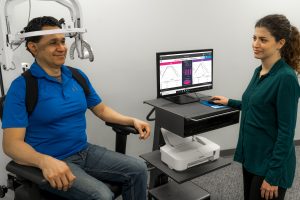
Physical therapy evaluations should include objective measurement tools to increase accuracy and defensibility. Using functional testing systems, digital dynamometers, or other objective rehab equipment allows clinics to create documentation that clearly supports medical necessity and reimbursement. For example, the PrimusRS allows clinicians to measure strength, ROM, and functional tasks, with objective reports that blend seamlessly into evaluation documentation.
BTE’s guide on skilled service documentation explains how objective data strengthens defensibility and why payers are more likely to approve treatment when evidence is clear and thorough.

3. Assessment and Plan of Care
The assessment is the most important portion of the PT evaluation. It explains what the findings mean and ties impairments directly to functional limitations. Payers look for clear, direct language that demonstrates why ongoing therapy requires the skills of a licensed clinician.
A strong assessment should include:
- Diagnosis and contributing impairments
- Functional deficits linked to daily activities
- Rehab potential
- Clinical reasoning that justifies skilled therapy
Then comes the plan of care, which should outline:
- Frequency and duration
- Interventions that will be used and why
- Functional, measurable goals that follow SMART criteria
- Criteria for progression

Coding PT Evaluations Correctly (97161–97163)
Choosing the correct evaluation code is essential for compliance and reimbursement. The three PT evaluation codes are based on the patient’s history, examination elements, clinical presentation, and the complexity of clinical decision-making.
97161 – Low Complexity
Appropriate when the evaluation includes:
- Minimal or no comorbidities
- 1–2 standardized tests or measures
- Stable, uncomplicated presentation
- Straightforward clinical reasoning
97162 – Moderate Complexity
Used when:
- One or more comorbidities influence the plan of care
- Three or more tests or measures across different domains
- Presentation is evolving or changing
- Decision-making requires analysis of multiple data points
97163 – High Complexity
Reserved for:
- Three or more comorbidities or complicating factors
- Extensive testing across multiple systems
- Unstable or unpredictable presentation
- Highly complex decision-making
Key Documentation Tips
To support the appropriate evaluation code and avoid downcoding, clinicians should clearly document all relevant comorbidities and personal factors, list each test and measure performed, and describe the patient’s clinical presentation in a way that reflects whether symptoms are stable, evolving, or unpredictable. The assessment should then tie these findings together by explaining the clinical reasoning behind the plan of care and why the chosen complexity level accurately reflects the demands of the evaluation.

Payer Specific Evaluation Strategies
Every payer has its own documentation expectations. A clinic that understands these differences can reduce denials, streamline authorization, and stay ahead of audit risks.
Medicare Compliance Essentials
Medicare Part B has some of the most stringent documentation expectations in outpatient rehabilitation. To meet compliance standards, a Medicare evaluation must include:
- A complete subjective history and objective examination
- Clear functional deficits supported by measurable findings
- Skilled reasoning that justifies why the patient requires a licensed therapist
- Functional, measurable long-term and short-term goals
- Certification of the plan of care
Medicare is highly sensitive to vague language or incomplete justification. Documentation must consistently connect impairments to functional limitations and clearly explain the skilled interventions needed. For a deeper breakdown of how to demonstrate medical necessity, protect your clinic from denials, and understand key coverage thresholds, this article on physical therapy reimbursement outlines essential strategies.
Common Medicare pitfalls to avoid include:
- Copy/paste assessments
- Missing functional goals
- ROM and strength measures documented without functional relevance
- No stated risk if therapy is discontinued
- Excessive nonskilled language such as “tolerated well” or “felt good”
- Unsigned evaluations or signatures missing appropriate credentials (Medicare requires every note to include a legible signature with the therapist’s professional designation)
Worker’s Compensation Documentation
Worker’s compensation evaluations require a higher level of detail because clinicians must directly link physical impairments to specific job demands. A compliant work comp evaluation should include:
- A clear description of the patient’s job tasks and physical requirements
- Range of motion and strength findings tied to essential job duties
- Documented safety risks if impairments remain unaddressed
- Measurable goals that support safe and timely return to work
When appropriate, therapists may incorporate functional capacity testing or objective strength measurement tools to validate readiness for job demands. Clinics looking for examples of this type of equipment may refer to BTE’s functional testing technology, which showcases advanced strength and functional testing tools designed to bring greater accuracy, clarity, and defensibility to work comp evaluations.

Commercial Insurance Documentation
Commercial payers vary widely, but most require documentation that clearly demonstrates functional limitations, medical necessity, and evidence of progress over time. Key elements include:
- Clear description of function-based deficits
- Preauthorization details when required
- Use of standardized outcome measures to quantify baseline status
- Objective evidence of progress every 10 to 12 visits
For busy clinics, payer-specific documentation checklists can help maintain consistency and prevent missed requirements. Many clinic managers create quick reference sheets for Medicare, worker’s compensation, and major commercial insurers to keep expectations organized and easy to follow.
Optimizing the Evaluation Workflow
Clinic managers often struggle with efficiency. Evaluations can feel long, repetitive, or overwhelming for newer staff. Below are strategies to streamline the workflow without sacrificing compliance.
Rapid Functional Screening
A fast functional screen can identify priority impairments before diving into detailed measurements. Examples:
Low back pain: repeated movement testing, squat, hip hinge
Shoulder pain: overhead reach, behind the back reach, hand behind head
Knee pain: single leg squat, stair ascent, sit to stand
These quick screens help therapists choose the most relevant tests instead of over assessing everything.
Using Test Clustering and Clinical Prediction Rules
Test clustering improves diagnostic accuracy and reduces unnecessary testing. For example:
- Painful arc
- Infraspinatus test
- Hawkins Kennedy
Cervical radiculopathy:
- Upper limb tension test
- Cervical rotation less than 60 degrees
- Distraction test
- Spurling test
This approach is fast, defensible, and supports clear plan of care justification.
Integrating Outcome Measures
Patient reported outcome measures (PROMs) such as the QuickDASH, NDI, WOMAC, Oswestry, FOTO, or HOOS strengthen evaluations by providing quantifiable baselines. They also help tie goals directly to functional improvement, which is a major requirement across payers.
Documenting Medical Necessity Clearly
One of the most common reasons for denials is vague documentation. Clinicians must link impairments to functional deficits.
A simple structure to justify medical necessity:
- Identify the impairment
Example: “Right shoulder abduction strength is 3 out of 5.” - Connect it to a functional limitation
“This limits the patient’s ability to lift dishes, reach overhead, and perform grooming tasks.” - Explain the skilled intervention required
“The patient requires skilled progression of shoulder strengthening and neuromuscular control to restore pain free function.”
Putting It All Together: Physical Therapy Evaluation Example (SOAP Note)
Below is a detailed physical therapy initial evaluation example and SOAP note that demonstrates how each component of a defensible evaluation fits together. Clinicians who want additional plug-and-play structures may also benefit from these physical therapy documentation templates, which offer standardized formats designed to streamline charting and reduce documentation time.
S: Subjective
Patient is a 47 year old office worker reporting right shoulder pain that began three months ago. Describes gradual onset with overhead reaching and difficulty lifting items above shoulder height. Pain rated 6 out of 10 with reaching, 2 out of 10 at rest. Functional limitations include reaching into cabinets, carrying groceries, sleeping on the right side, and lifting more than five pounds.
Patient goal: “I want to lift overhead without pain and get back to strength training classes.”
Completed QuickDASH: 52% impairment
O: Objective
Posture: forward head, rounded shoulders
ROM: right shoulder flexion 135 degrees with pain, abduction 110 degrees, ER limited by 25 percent
Strength: flexion 4 out of 5, abduction 3 out of 5, ER 3 minus out of 5
Special tests: positive Hawkins Kennedy, positive painful arc, negative drop arm
Functional tests: painful overhead reach, limited carry tolerance
Neurological screen: intact sensation
A: Assessment
Findings are consistent with rotator cuff related shoulder pain. Patient demonstrates reduced rotator cuff strength, limited mobility, impaired posture, and difficulty performing essential daily tasks. Functional deficits include overhead reaching, lifting, and carrying loads greater than five pounds. Skilled physical therapy is required to restore strength, mobility, and neuromuscular control. Rehab potential is excellent.
P: Plan
Frequency: 2 times per week for 6 weeks
Interventions: progressive rotator cuff strengthening, manual therapy for soft tissue restrictions, scapular stabilization, postural retraining, patient education
Short term goals:
- Improve shoulder abduction strength to 4 out of 5 within 3 weeks
- Reduce pain during overhead reaching to 3 out of 10
Long term goals:
- Lift 10 pounds overhead without pain
- Reduce QuickDASH score to less than 20 percent impairment
- Return to recreational strength training without limitations
Re-Evaluation Guidelines
Every payer expects re-evaluations to document measurable progress. Strong physical therapy re-evaluation guidelines include:
- Repeat baseline objective measures
- Updated patient-reported outcome measures
- Documentation of progress or barriers
- Updated goals if appropriate
- Medical necessity to continue therapy
Avoid generic language like “making progress” or “improving slowly.” Payers want numbers, function based examples, and clear justification for continuation of care.
Emerging Trends in PT Evaluations
As reimbursement models and payer expectations continue to evolve, many clinics are adopting technology-driven solutions to strengthen evaluation quality.
Common trends include:
- Digital capture of outcome measures
- Standardized evaluation templates
- Expanded use of objective measurement tools
- Automated reporting systems that reduce documentation time
Together, these technologies help therapists create more defensible evaluations, improve consistency across providers, and streamline the documentation workflow.
Conclusion
A compliant, efficient, and defensible PT evaluation does not need to be complicated. By following a clear structure, tying impairments directly to functional limitations, and integrating payer specific requirements, clinics can protect revenue, reduce audit risk, and deliver higher quality care.
The evaluation examples and strategies in this guide give clinic managers the tools they need to standardize documentation, boost therapist confidence, and build a stronger foundation for positive outcomes.
Morgan Hopkins, DPT, CMTPT is a Physical Therapist and freelance healthcare writer. She spent over eight years treating patients in outpatient orthopedics before transitioning to medical writing. Her clinical specialties include intramuscular dry needling, dance medicine, and sports medicine. Morgan is extremely passionate about holistic wellness, preventative care and functional fitness and uses writing to educate and inspire others.