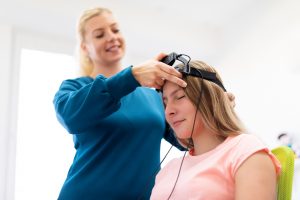

Learn what biofeedback therapy is through real-time body monitoring. Discover how sensors track heart rate, muscle tension, and brain waves to help you build self-regulation skills and influence automatic body functions.
Biofeedback therapy is a non-invasive treatment approach that uses real-time monitoring of body functions to help patients learn voluntary control over processes that are typically automatic. By making internal states visible (or audible/haptic), patients practice techniques that gradually improve regulation of stress responses, muscle tension, breathing, and other physiological signals.
How Biofeedback Therapy Monitors and Controls Body Functions
Biofeedback therapy monitors body signals and provides real-time feedback to help patients influence automatic body functions. The core idea is that awareness → practice → control.
The process involves several key components:
• Physiological monitoring: Sensors placed on the skin detect signals such as heart rhythm (HRV), muscle activity (EMG), brain waves (EEG), breathing patterns, and skin temperature
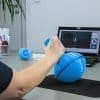
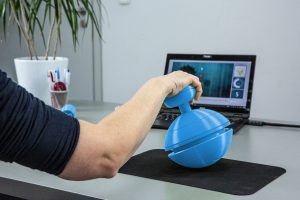
• Real-time feedback: Monitored signals convert into immediate visual displays, audio tones, haptics, or other feedback patients can observe and respond to
• Learning through operant conditioning: Patients modify responses (e.g., breathing cadence, muscle relaxation) and see/hear feedback change, reinforcing effective strategies
• Non-invasive approach: Sensors are external; no needles or electrical stimulation are required for standard protocols
• Self-regulation training: The long-term goal is voluntary control without external feedback, using skills practiced during sessions and at home
During a session, patients observe their body’s responses in real time and practice relaxation or control techniques. As they successfully shift their physiological state, the feedback changes accordingly, reinforcing desirable patterns and helping establish durable self-regulation.
Biofeedback Equipment Types and Their Specific Applications
Different biofeedback methods target specific body systems using specialized sensors and feedback methods. Each type focuses on particular body functions and uses distinct equipment.
The following table compares the main types of biofeedback therapy and their applications:
| Biofeedback Type | What It Monitors | Sensor Placement | Feedback Format | Primary Applications |
| EMG (Electromyography) | Muscle tension and activity | Electrodes on target muscle groups | Visual graphs, audio tones | Chronic pain, muscle rehabilitation, tension headaches |
| EEG/Neurofeedback | Brain wave activity | Electrodes on scalp | Real-time brain wave displays | ADHD (mixed evidence), anxiety, depression, sleep disorders |
| HRV (Heart Rate Variability) | Heart rhythm patterns | Chest strap or finger/ear sensor | Rhythm graphs, paced-breathing guides | Stress management, anxiety, cardiovascular recovery support |
| Thermal Biofeedback | Skin temperature | Temperature sensors on fingers/hands | Digital temperature displays | Migraines, Raynaud’s phenomenon, stress reduction |
| Respiratory Biofeedback | Breathing patterns | Chest/abdomen sensors | Breathing wave patterns | Anxiety, panic disorders, asthma management |

Modern biofeedback equipment has evolved with technology:
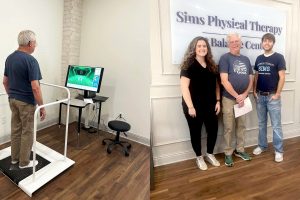
• Clinical systems: Medical-grade sensors and software used under trained clinician supervision for diagnosis-adjacent monitoring and treatment training
• Portable clinical units: Smaller devices for clinic and home programs with clinician oversight
• Smartphone applications: Apps using built-in or external sensors to support practice and adherence (helpful for self-monitoring; not a substitute for clinical-grade treatment)
• Wearable technology: Trackers and smartwatches that provide continuous monitoring for practice between sessions
• Virtual reality integration: Immersive training environments that combine biofeedback with VR for engagement and skill transfer
Note: Consumer-grade devices are valuable for practice and habit formation but may lack the signal fidelity, calibration, and protocols required for treating medical conditions. For clinical outcomes, clinician-supervised programs and validated protocols are recommended.
Medical Conditions Treated and the Complete Treatment Experience
Biofeedback therapy has demonstrated benefit for several conditions, with evidence strength varying by modality and diagnosis. Programs are structured, progressive, and tailored to individual goals.
Primary Conditions Treated
• Headaches and migraines: Strongest overall evidence—thermal and EMG biofeedback can help reduce frequency and intensity, often alongside standard care
• Stress and anxiety: HRV-guided breathing and respiratory feedback frequently improve stress regulation and anxiety symptoms
• Chronic pain and muscle tension: EMG biofeedback assists muscle relaxation, posture awareness, and functional restoration in select pain syndromes
• ADHD (neurofeedback): Evidence is mixed at the group level; may be considered as an adjunct rather than a first-line treatment
• Sleep difficulties: EEG and HRV/respiratory training may support sleep quality in some patients
• Blood pressure support: HRV and relaxation-based techniques can complement medical management for certain individuals
Treatment Process and Patient Experience
A typical biofeedback treatment program follows a structured approach:
Initial Assessment (Sessions 1–2)
- Comprehensive evaluation of symptoms and history
- Baseline physiological measurements
- Orientation to biofeedback concepts and equipment
- Goal setting and individualized treatment plan
Active Training Phase (Sessions 3–12)
- Regular 30–60 minute sessions
- Guided practice with biofeedback equipment and techniques
- Home exercises to build skills between sessions
- Periodic reassessment and technique refinement
Maintenance and Follow-up (Sessions 13+)
- Reduced session frequency and increased independent practice
- Long-term progress evaluation
- Booster sessions as needed for reinforcement or new goals
Typical session ranges by modality (guidance, not guarantees):
- HRV/respiratory for stress & anxiety: ~5–10 sessions for meaningful change; 8–12 common for consolidation
- Headache/migraine programs: ~8–12+ sessions
- ADHD-focused neurofeedback: often ~30–40 sessions; consider as adjunct care and set expectations accordingly
Safety and Effectiveness
Biofeedback is non-invasive and generally well-tolerated. Possible temporary side effects—more commonly reported in EEG/neurofeedback—include mild fatigue, headache, or transient anxiety as new regulation skills are learned. Adhesive sensors may irritate sensitive skin. Individuals with certain cardiac rhythm disorders or dermatologic conditions should consult their clinician before starting.
Effectiveness depends on condition, protocol quality, clinician expertise, and patient practice between sessions:
- Many patients notice early changes within 4–8 sessions
- Structured programs typically span 8–20 sessions for headaches/stress and 30–40 for ADHD-oriented neurofeedback
- Consistent home practice and adherence meaningfully improve outcomes
Final Thoughts
Biofeedback therapy empowers patients to actively shape physiological responses that influence pain, stress, attention, and recovery. Its non-invasive nature and skill-building focus make it an appealing option for people seeking to complement or, when appropriate, reduce reliance on medication. Success hinges on clear goals, validated protocols, appropriate equipment, and regular practice—ideally within a clinician-supervised program that tailors training to each patient’s needs.