Move Beyond the Limitations of Traditional Hand Therapy
BTE systems help clinicians solve the challenges of traditional hand therapy tools by providing objective data, functional task simulation, and real-time feedback to keep patients motivated.
Address Key Clinical Challenges

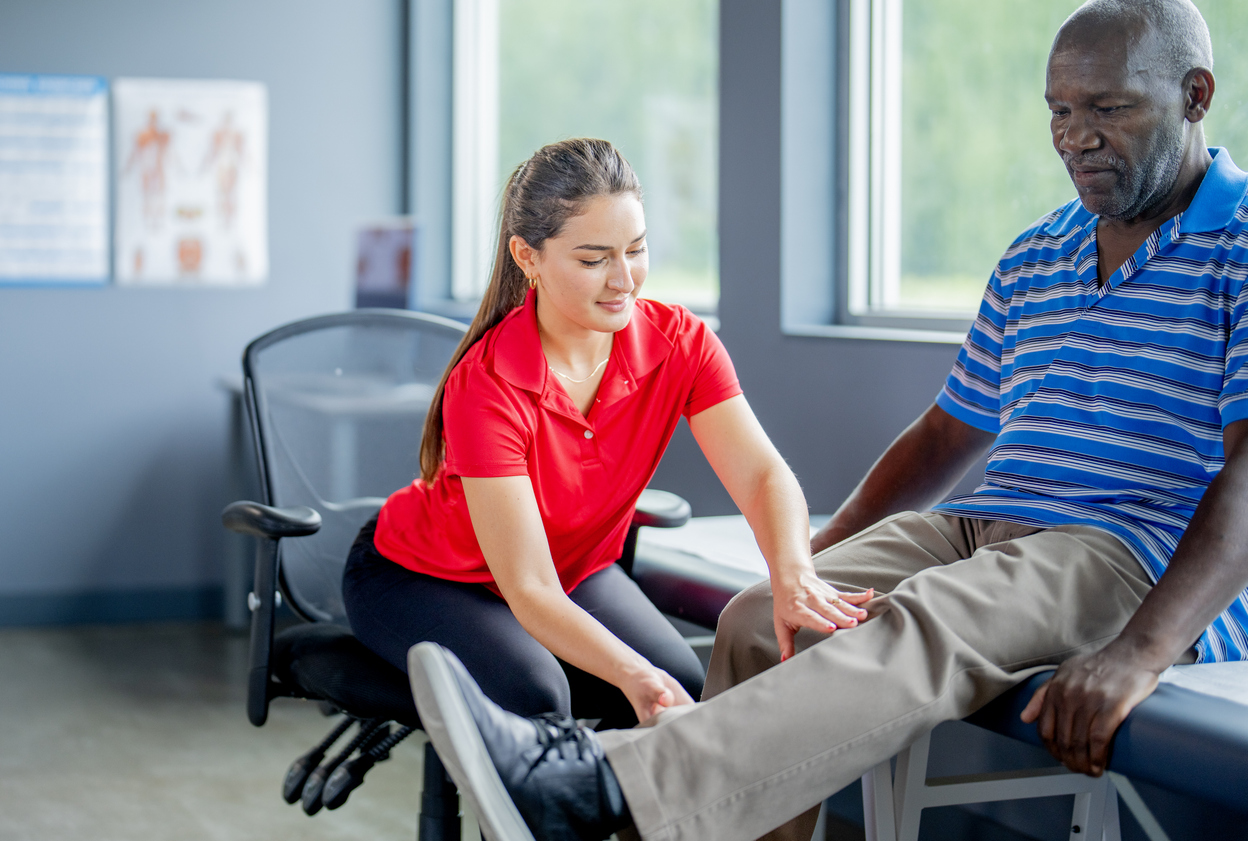
Struggling to capture objective data for progress reports and insurance justification.
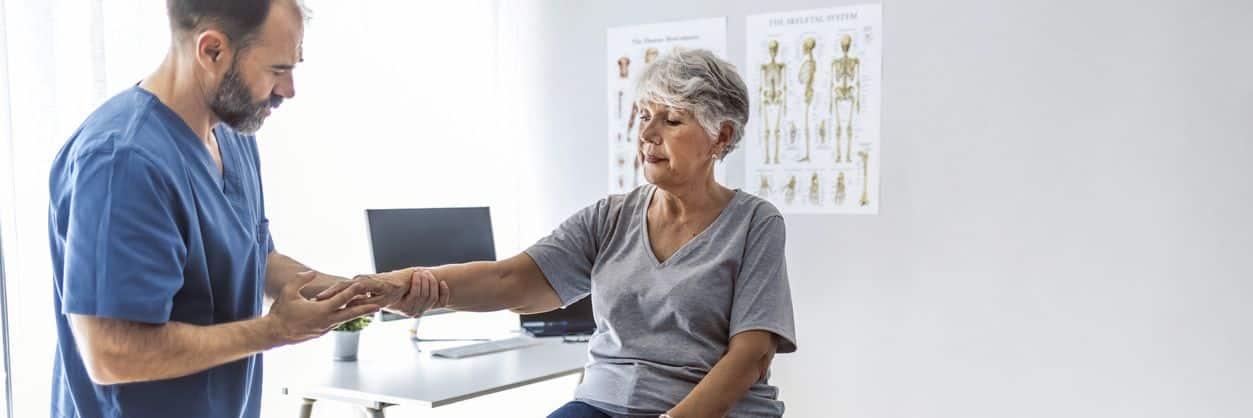
Patients becoming disengaged from repetitive, uninspired exercises.
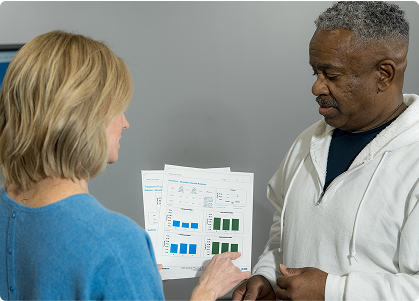
Subjective evaluations that lack the objective proof demanded by payers and employers.

Difficulty differentiating your clinic to attract more referrals.
Hand Therapy Machine Features
Automated, Insurer-Ready Progress Reports
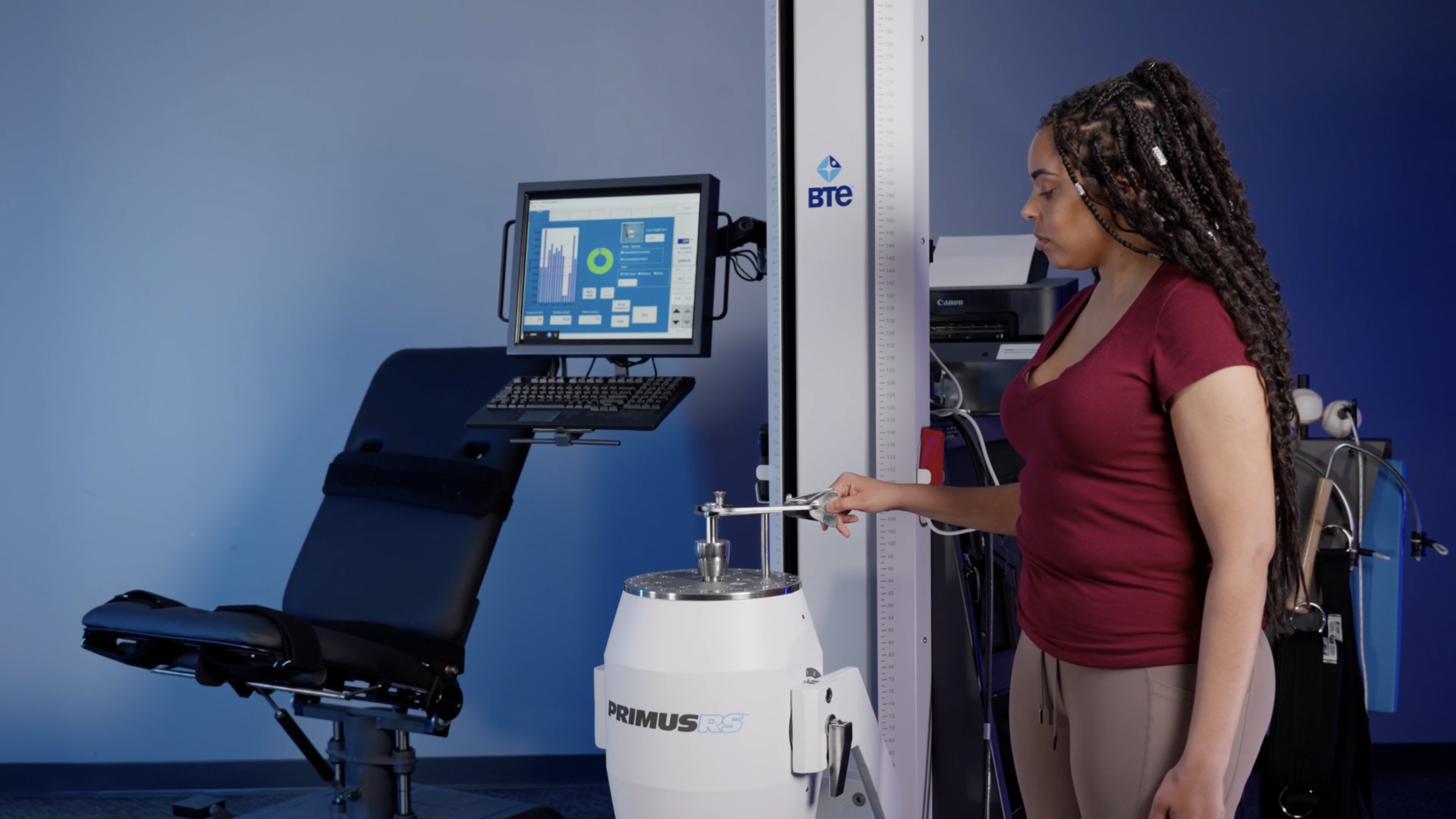
With BTE systems like PrimusRS, Simulator II, and Capri, clinicians can capture objective strength, range of motion, and functional metrics. These systems instantly generate data-driven session reports that support reimbursement and demonstrate patient outcomes.
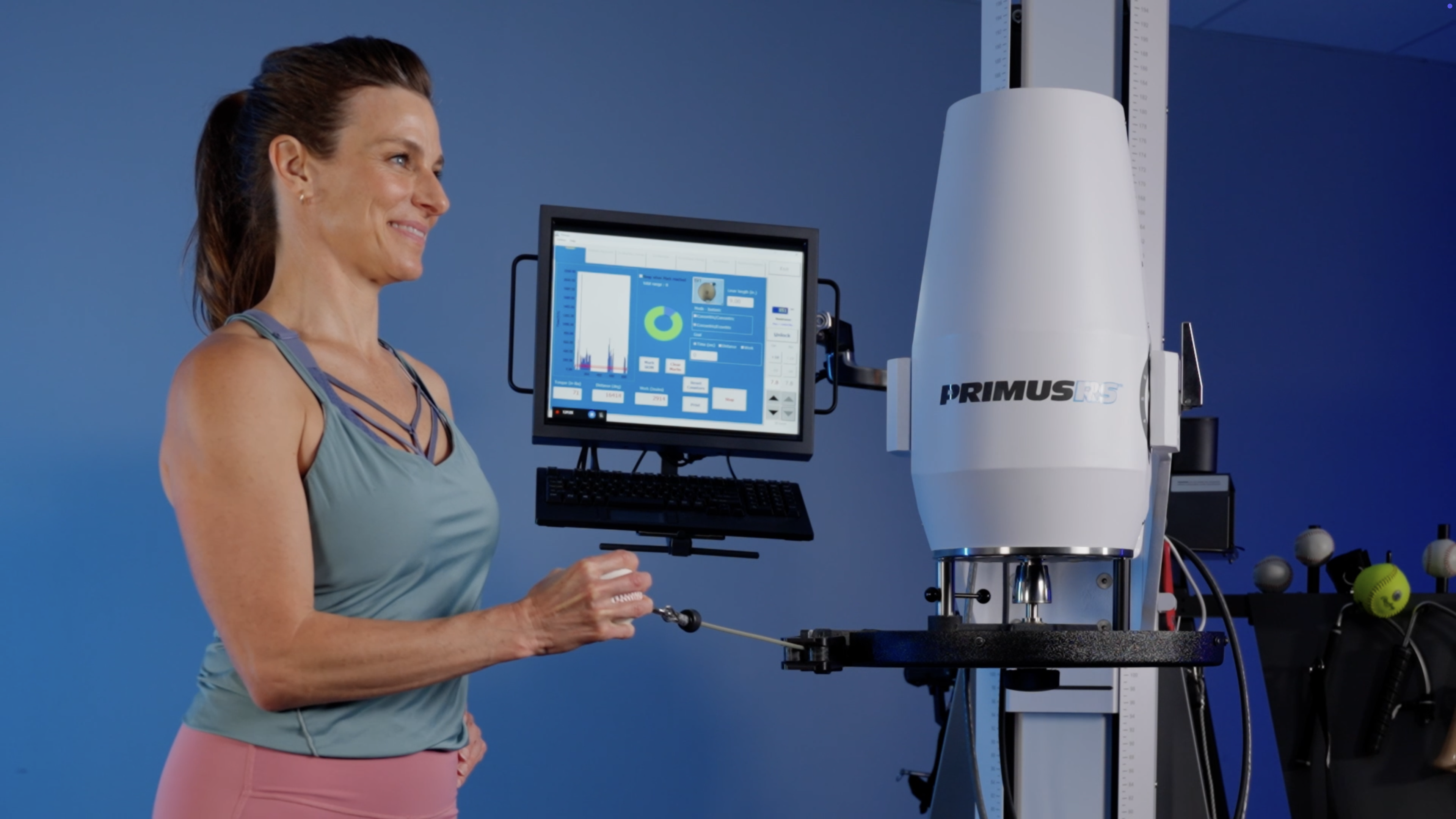
Immersive, Task-Based Rehabilitation
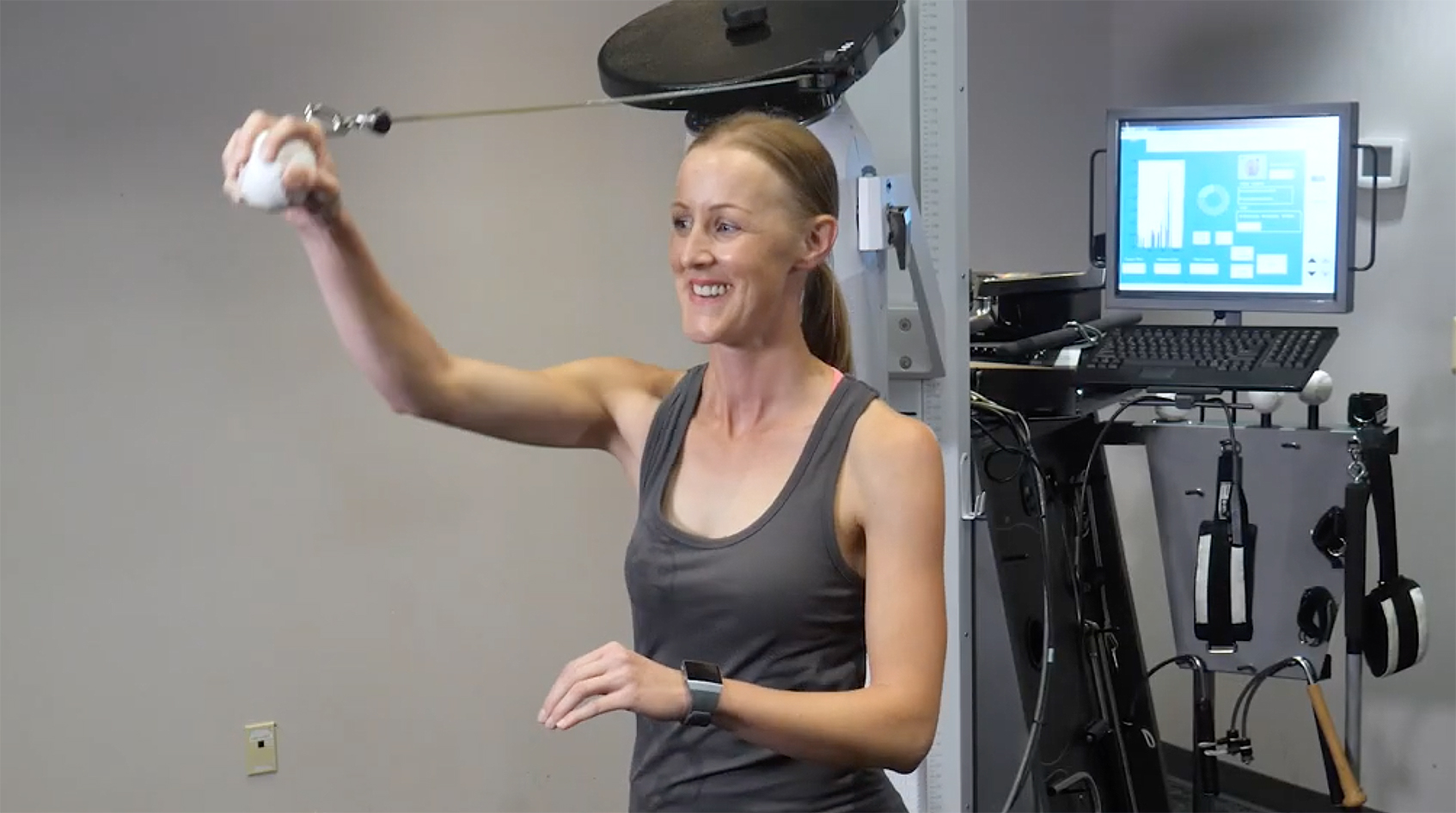
The PrimusRS and Simulator II systems enable clinicians to simulate everyday tasks—from opening jars to tool operation—with real-time feedback that keeps patients motivated, boosts attendance, and assists in functional recovery.
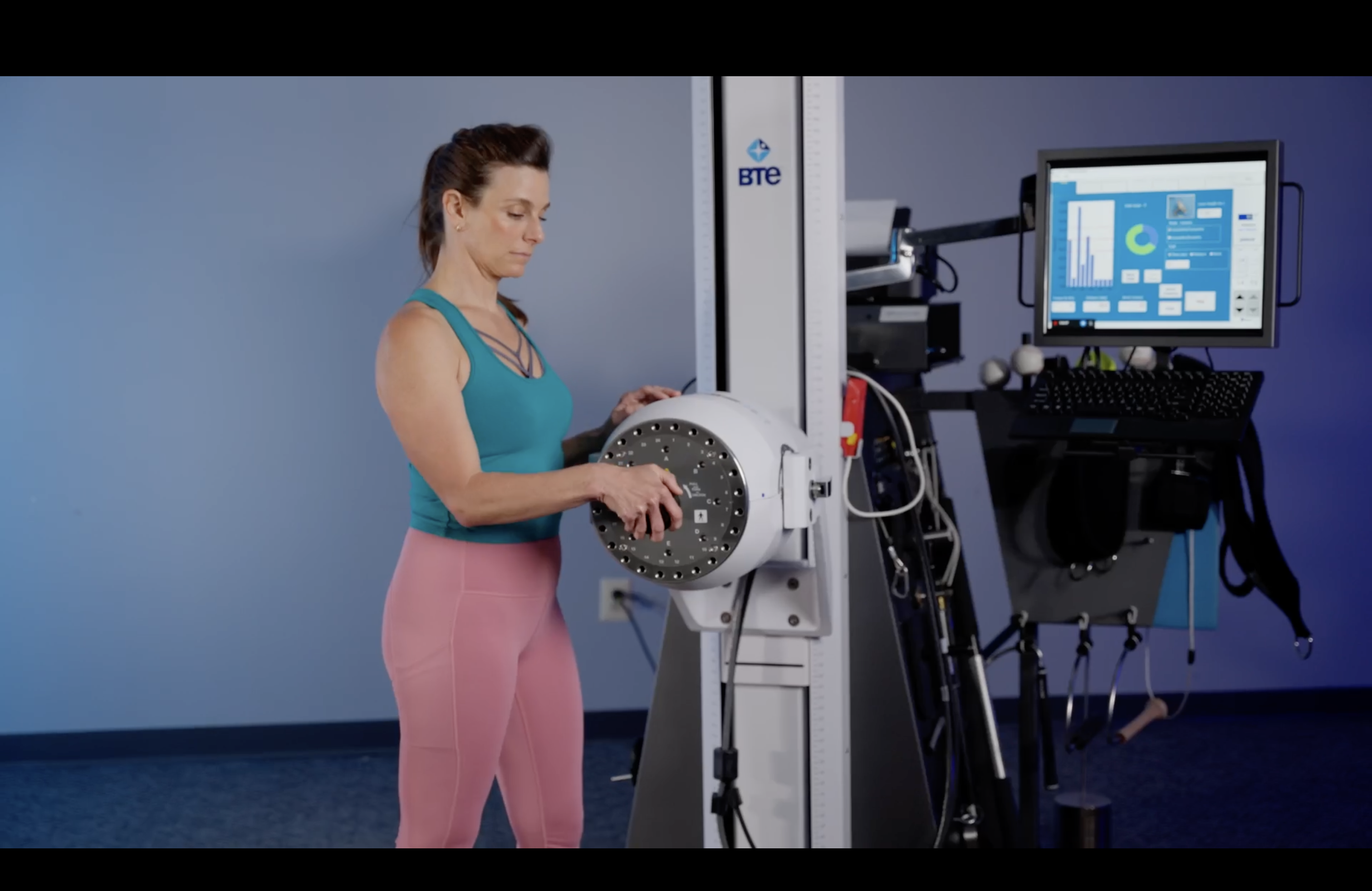
Objective Grip & Fine-Motor Assessments
Using BTE hand therapy devices, clinicians can perform reliable grip, pinch, and fine motor tests. These standardized evaluations add credibility with payers and help differentiate your practice in the marketplace.
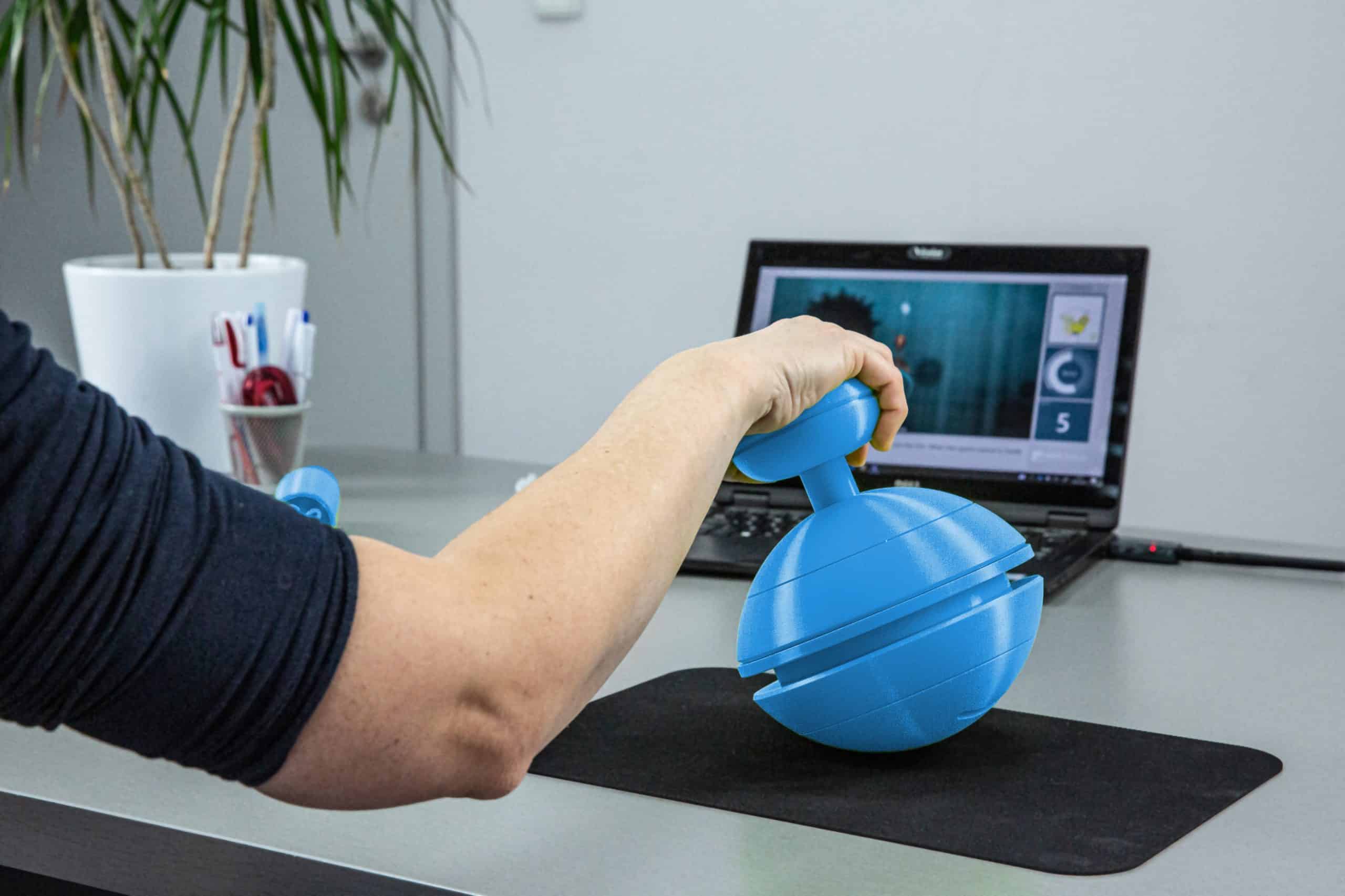
Fun Therapeutic Gaming
Keep patients engaged through the entire course of recovery with Capri’s therapeutic gaming. Turn repetitive hand therapy exercises into challenging, adaptable, gamified sessions that promote coordination, proprioception, and neuroplasticity.
How can we help you today?
Interested? Get in touch.
Get in touch with our expert client assistance team to learn more about our products.

Quantified Progress Reports
BTE systems help clinicians capture repeatable strength and range of motion data, generating concise, insurer-ready reports that support clinical decisions and reimbursement.

Functional Task Simulation Library
The PrimusRS and Simulator II enable clinicians to simulate hundreds of daily living activities, sports movements, and job tasks —from jar opening to power tool use—tailoring resistance and motion to each patient’s rehabilitation goals.

Reliable Assessment Tools
BTE systems assist clinicians in performing standardized grip, pinch, and upper extremity evaluations, adding objective metrics that payers and referrers value.

Practice Differentiation
Our advanced systems create a data-driven, technology-enabled program, strengthening referral relationships and supporting clinic growth.

Precision Fine Motor Rehabilitation
High-precision hand therapy tools enable customizable fine-motor movements that adapt with each patient’s needs.

Hand Therapy Gaming for Neurological Rehab
Capri‘s therapeutic gaming supports neurological and orthopedic rehab for a wide spectrum of patient populations, from pediatric to geriatric.
Case Studies
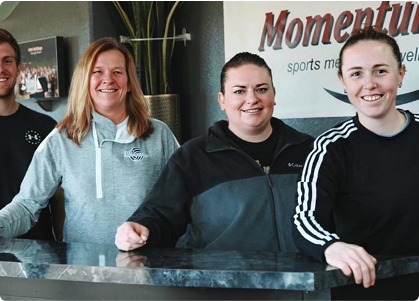
Eccentrics Case Study – Momentum Sports Medicine & Wellness
Marla Tappy's unique approach for creating a cash-pay clinic removes the frustration of insurance billing. She keeps her clients happy with the clinically superior results and engaging experience of the Eccentron.
Learn MoreRelated Articles

FAQs
-
Which system is best for comprehensive hand therapy?
The PrimusRS is the most versatile system for strength, ROM, and functional task simulation, capable of rehabilitating both upper and lower extremities. -
Which system is best for fine motor rehabilitation?
The Simulator II is designed specifically for hand therapy, from isolating fine motor tasks to simulating upper body functional tasks. Capri is specifically designed for hand and finger dexterity, making it ideal for neurological patients. -
Which system provides therapeutic gaming?
Capri is a hand therapy gaming device with multiple attachments, customizable exercises, objective reporting, and fun games that keep patients engaged. -
Do these systems provide documentation for insurance?
Yes. All BTE systems produce objective, repeatable data that supports clinical decisions and insurance justification. -
Will patients enjoy these systems?
Yes. Clinicians report that patients are more motivated, compliant, and engaged when therapy includes technology-based interventions and progress tracking.