
Learn the official AMA definition, 15-minute billing structure, and 8-minute rule for neuromuscular reeducation CPT code 97112 compliance.
What is Neuromuscular Reeducation CPT Code 97112?
CPT code 97112 represents neuromuscular reeducation services that restore normal movement patterns, balance, coordination, and motor control in patients with neurological or musculoskeletal impairments. This time-based code is essential for rehabilitation providers treating conditions that affect the nervous system’s ability to control muscle function and movement patterns.
Healthcare providers must understand proper billing, clinical applications, and documentation requirements for CPT 97112 to ensure maximum reimbursement while delivering effective patient care.
CPT 97112 Code Definition and Billing Requirements
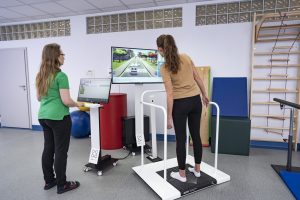
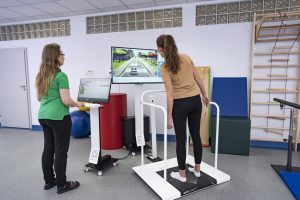
CPT 97112 is defined by the American Medical Association as “neuromuscular reeducation of movement, balance, coordination, kinesthetic sense, posture, and/or proprioception for sitting and/or standing activities.” This code covers therapeutic interventions designed to retrain the neuromuscular system to perform functional movements correctly.
AMA Definition and Qualifying Therapeutic Activities
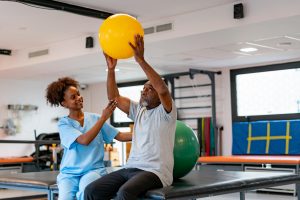
The code encompasses therapeutic activities focused on retraining movement patterns and improving neuromuscular control. Qualifying activities include:
- Balance training and postural control exercises
- Coordination and motor control retraining
- Proprioceptive and kinesthetic awareness training
- Movement pattern correction and motor learning
- Functional movement retraining for daily activities

Time-Based Billing Structure and Unit Calculations
CPT 97112 follows a 15-minute unit billing structure with specific time calculation rules that providers must understand for compliant billing.
The following table shows how to calculate billable units based on actual treatment time using the 8-minute rule:
| Total Treatment Time (minutes) | Billable Units | 8-Minute Rule Application |
| 8-22 minutes | 1 unit | Minimum 8 minutes required for first unit |
| 23-37 minutes | 2 units | Second unit requires additional 15 minutes |
| 38-52 minutes | 3 units | Third unit requires additional 15 minutes |
| 53-67 minutes | 4 units | Fourth unit requires additional 15 minutes |
| 68-82 minutes | 5 units | Fifth unit requires additional 15 minutes |
Licensed Provider Qualifications
Only specific healthcare professionals can bill CPT 97112:
- Licensed physical therapists (PT)
- Licensed occupational therapists (OT)
- Physicians with appropriate training
- Physical therapist assistants under PT supervision
- Occupational therapy assistants under OT supervision
Time Documentation and Record-Keeping
Accurate time tracking is essential for compliant billing. Providers must document:
- Exact start and stop times for neuromuscular reeducation activities
- Total minutes spent on qualifying interventions
- Clear distinction from other concurrent services
- Patient response and progress during treatment
Medical Conditions and Treatment Techniques
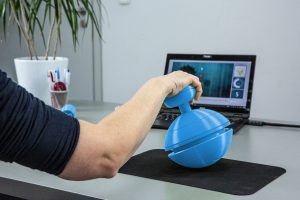
Neuromuscular reeducation addresses conditions where the nervous system’s ability to control movement has been compromised, requiring specialized therapeutic interventions to restore normal function. This approach is used across many disciplines, from sports injury recovery, where neuromuscular reeducation helps athletes regain coordination and prevent re-injury, to hand therapy, where advanced NMR tools can retrain precise motor control, and occupational therapy. , where it supports the recovery of daily functional skills and independence.
Diagnoses That Require Neuromuscular Reeducation
CPT 97112 is frequently used for patients with neurological and musculoskeletal conditions including:
- Stroke and cerebrovascular accidents
- Traumatic brain injury and acquired brain injury
- Spinal cord injuries and paralysis
- Parkinson’s disease and movement disorders
- Multiple sclerosis and neurodegenerative conditions
- Vestibular disorders and balance dysfunction
- Post-surgical orthopedic conditions and sports injuries affecting movement patterns
Evidence-Based Therapeutic Techniques
Qualifying therapeutic techniques focus on retraining the neuromuscular system through targeted interventions:
Balance Training:
- Static and dynamic balance exercises
- Perturbation training and reactive balance
- Surface variation training (foam, unstable surfaces)
- Visual and sensory integration activities
Coordination Exercises:
- Fine and gross motor coordination drills
- Bilateral coordination activities
- Hand-eye coordination training
- Sequential movement pattern practice

Gait Training:
- Walking pattern correction and retraining
- Weight shifting and step initiation practice
- Cadence and rhythm training
- Obstacle navigation and environmental adaptation
Proprioceptive Training:
- Joint position awareness exercises
- Movement sense training
- Body schema retraining
- Spatial orientation activities
Measurable Treatment Goals
Neuromuscular reeducation aims to achieve measurable improvements in:
- Motor control and movement quality
- Postural stability and balance confidence
- Coordination and timing of movements
- Functional mobility and independence
- Fall risk reduction and safety awareness
Medical Necessity and Treatment Planning
Treatment must demonstrate medical necessity through:
- Clear functional deficits requiring skilled intervention
- Measurable goals with realistic timeframes
- Evidence-based treatment approaches
- Regular progress monitoring and outcome measurement
- Skilled therapeutic judgment in exercise progression
Documentation Standards and Billing Error Prevention
Proper documentation is essential for CPT 97112 reimbursement and compliance with regulatory requirements. Understanding common errors helps providers avoid costly claim denials and audit issues.
Mandatory Documentation Elements
Complete documentation for CPT 97112 must include specific elements that demonstrate medical necessity and skilled care:
- Treatment Date and Time: Exact start and stop times for neuromuscular reeducation
- Therapist Credentials: Licensed provider name and professional designation
- Patient Response: Objective measures of patient performance and progress
- Outcome Measures: Quantifiable improvements in balance, coordination, or motor control
- Medical Necessity Justification: Clear explanation of why skilled intervention is required
- Treatment Techniques: Specific activities and exercises performed during session
Progress Documentation and Outcome Measurement
Documentation must demonstrate skilled therapeutic intervention through:
- Objective measurements of balance, coordination, or movement quality
- Functional improvement indicators and milestone achievement
- Patient education provided and comprehension demonstrated
- Exercise progression and difficulty modifications
- Safety considerations and fall risk assessments
- Home exercise program instruction and compliance monitoring
Frequent Claim Denial Causes
Common causes of claim denials include:
- Insufficient Documentation: Vague descriptions of activities without specific techniques
- Missing Skill Justification: Failure to demonstrate why licensed therapist intervention is necessary
- Unit Overbilling: Incorrect time calculations or billing for non-qualifying activities
- Lack of Progress Documentation: Absence of measurable outcomes or functional improvements
- Duplicate Service Billing: Overlapping with other therapy codes during same session
CPT Code Distinctions and Proper Selection
Understanding the differences between related CPT codes prevents billing errors:
| CPT Code | Code Description | Primary Focus | Key Distinguishing Features |
| 97110 | Therapeutic Exercise | Strength, endurance, flexibility | Focuses on physical conditioning and range of motion |
| 97112 | Neuromuscular Reeducation | Movement patterns, balance, coordination | Emphasizes nervous system retraining and motor control |
| 97116 | Gait Training | Walking and mobility | Specifically targets ambulation and mobility skills |
| 97530 | Therapeutic Activities | Functional task training | Focuses on specific functional activities and ADLs |
Audit Prevention and Compliance Strategies
Effective compliance measures include:
- Regular documentation audits and staff training
- Clear policies for time tracking and unit calculation
- Standardized progress note templates with required elements
- Ongoing education about code-specific requirements
- Quality assurance reviews before claim submission
Final Thoughts
CPT code 97112 for neuromuscular reeducation requires precise understanding of billing guidelines, clinical applications, and documentation requirements to ensure compliant reimbursement. Providers must focus on accurate time tracking using the 8-minute rule, comprehensive documentation of skilled interventions, and clear distinction from related therapy codes. Success with this code depends on demonstrating medical necessity through measurable outcomes and maintaining detailed records of therapeutic techniques and patient progress.
For rehabilitation facilities seeking to optimize their neuromuscular reeducation programs, specialized technology solutions can provide valuable support. BTE offers comprehensive rehabilitation equipment and functional assessment tools that can enhance the delivery and documentation of neuromuscular reeducation services, helping providers achieve better patient outcomes while maintaining billing accuracy.