
Master the essential components and best practices for creating legally compliant physical therapy progress note records that ensure reimbursement.
A physical therapy progress note documents a patient’s functional improvements, treatment response, and goal achievement during ongoing care. These notes serve as legal documents that justify continued treatment and secure insurance reimbursement while providing a record of patient progress. Proper progress note documentation maintains compliance, protects your practice, and supports quality patient care.
Definition and Core Elements of Physical Therapy Progress Notes
A progress note documents a patient’s functional improvements, treatment response, and goal achievement during physical therapy care. Unlike initial evaluations or discharge summaries, progress notes focus on changes in patient status and the ongoing need for skilled therapy services.
Progress notes serve several functions in physical therapy practice:
- Legal requirement for continued care justification and insurance reimbursement
- Documentation of patient’s current functional status compared to initial evaluation
- Evidence of medical necessity for ongoing skilled therapy services
- Communication tool between healthcare providers and insurance companies
The following table illustrates how progress notes differ from other PT documentation types:
| Document Type | Primary Purpose | Timing/Frequency | Key Content Focus | Regulatory Requirements
|
|---|---|---|---|---|
| Initial Evaluation | Establish baseline and treatment plan | First visit only | Diagnosis, impairments, goals | CMS requires within 30 days |
| Progress Note | Track changes and justify continued care | Per CMS/insurance requirements | Functional improvements, goal progress | Every 10 visits or 30 days |
| Discharge Summary | Document outcomes and final status | Final visit only | Goal achievement, recommendations | Required for all completed episodes |
Required Elements for Compliance
Every progress note must include specific elements to meet regulatory standards:
- Time frame covered by the note (dates of service)
- Patient response to treatment interventions
- Objective measurements demonstrating functional changes
- Plan modifications based on patient progress
- Medical necessity justification for continued skilled services
SOAP Format Organization and Required Documentation
The SOAP (Subjective, Objective, Assessment, Plan) format organizes all required information in progress notes to ensure complete documentation and regulatory compliance.
The following table provides a comprehensive reference guide for each SOAP component:
| SOAP Section | Required Content | Documentation Examples | Common Mistakes to Avoid | Compliance Notes
|
|---|---|---|---|---|
| Subjective | Patient’s self-reported status, pain levels, functional concerns | “Patient reports 4/10 pain with stairs, improved from 7/10 last week” | Vague statements like “patient feels better” | Must include specific, measurable patient reports |
| Objective | Measurable data, ROM, strength, interventions performed | “Knee flexion ROM: 95° (improved from 85°), completed 30 min gait training” | Missing measurements or intervention details | Requires quantifiable data and specific treatment times |
| Assessment | Clinical judgment on goal progress, medical necessity | “Patient demonstrates functional improvement in stair climbing, skilled PT needed for safety” | Failing to address each established goal | Must justify continued need for skilled services |
| Plan | Treatment modifications, frequency changes, duration | “Continue current plan 3x/week for 2 weeks, add balance training” | No timeline or specific modifications | Must include frequency and anticipated duration |
Key Documentation Components
Subjective Section:
– Patient’s self-reported pain levels using standardized scales
– Functional concerns and perceived improvements
– Response to home exercise program compliance
– Any new symptoms or changes in condition
Objective Section:
– Measurable data including range of motion, strength testing, and balance assessments
– Standardized outcome measures and functional tests
– Specific treatment interventions performed during the session
– Duration and intensity of therapeutic activities
Assessment Section:
– Clinical judgment on progress toward each established goal
– Analysis of objective findings and their functional significance
– Justification for continued skilled physical therapy services
– Identification of barriers to progress or complications
Plan Section:
– Treatment modifications based on patient response
– Changes to frequency, duration, or intensity of care
– Anticipated timeline for goal achievement
– Discharge planning considerations
Progress Note vs Recertification Note
A progress note documents interim changes in function, treatment response, and goal status to support medical necessity and justify continued skilled therapy within the active plan of care, and is completed by the PT at required intervals (every 10 visits or 30 days). By contrast, a recertification note renews or revises the plan of care itself—summarizing progress to date, updating goals and planned interventions, adjusting frequency and duration as appropriate, and securing the physician or qualified nonphysician practitioner (NPP) signature required by CMS to authorize continued services—at least every 90 days or sooner if the plan materially changes.
CMS Guidelines and Professional Documentation Standards
CMS/Medicare guidelines, insurance requirements, and professional standards govern progress note documentation to ensure proper reimbursement and legal protection.
CMS Requirements and Frequency Standards
CMS mandates specific documentation frequencies and reporting periods:
- Progress notes required every 10 treatment visits or 30 calendar days, whichever comes first
- Notes must be completed by a licensed physical therapist (PT), not a physical therapist assistant (PTA)
- Documentation must occur within a reasonable timeframe of the treatment session
- Each note must demonstrate continued medical necessity for skilled services
Professional Language Requirements
The language used in progress notes directly impacts reimbursement and compliance. The following table provides guidance on appropriate documentation terminology:
| Documentation Category | Recommended Professional Language | Language to Avoid | Reimbursement Impact | Example Context
|
|---|---|---|---|---|
| Patient Progress | “Demonstrates 15° improvement in shoulder flexion ROM” | “Patient is doing better” | Supports medical necessity | Objective measurements |
| Functional Status | “Ambulates 150 feet with supervision, improved from 50 feet” | “Walking is improved” | Justifies skilled intervention | Functional capacity changes |
| Pain Documentation | “Reports 3/10 pain on numeric scale, decreased from 6/10” | “Pain is less” | Supports treatment effectiveness | Standardized pain assessment |
| Goal Achievement | “Achieved 80% of stair climbing goal, requires 2 more weeks” | “Almost ready for discharge” | Justifies continued care | Specific goal progress |
| Medical Necessity | “Requires skilled PT for safety training and fall prevention” | “Needs more therapy” | Prevents claim denials | Skilled service justification |
Best Practices for Compliance
Documentation Standards:
– Use objective, measurable terms throughout all sections
– Include specific timeframes and quantifiable improvements
– Address each established goal in every progress note
– Demonstrate skilled intervention necessity rather than maintenance care
Professional Requirements:
– Only licensed PTs may complete progress notes (PTAs cannot sign progress documentation)
– Ensure proper credentialing and signature requirements are met
– Maintain consistent documentation standards across all providers
– Regular training on updated CMS guidelines and insurance requirements
Medical Necessity Justification:
– Clearly articulate why skilled physical therapy services are required
– Document functional improvements that support continued care
– Identify specific impairments that require professional intervention
– Avoid language suggesting maintenance or routine care
Final Thoughts
Physical therapy progress notes are require careful attention to compliance, proper SOAP formatting, and professional language standards. These notes serve as the primary justification for continued care and directly impact practice revenue through insurance reimbursement decisions.
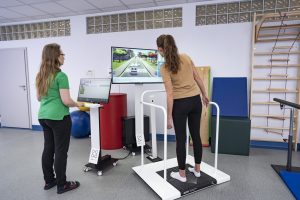
The key to successful progress note documentation lies in combining objective measurements with clear clinical reasoning to demonstrate medical necessity. To support comprehensive objective documentation, many clinics utilize standardized assessment equipment from companies like BTE to ensure consistent, measurable data collection. Their work evaluation systems and functional capacity evaluation tools help generate the type of objective, quantifiable data that strengthens medical necessity justification and supports the documentation requirements emphasized throughout the progress note process.
Mastering these documentation skills protects your practice legally while ensuring patients receive appropriate, reimbursable care that meets professional standards and regulatory requirements.