
Understand the specialized features of therapeutic ergometers and how physical therapists select appropriate equipment for patient treatment plans.
The Power of Ergometers in Modern Physical Therapy
Ergometer physical therapy uses specialized exercise machines to provide controlled, measurable therapeutic exercise for rehabilitation and recovery. This approach combines precise resistance training with cardiovascular conditioning to help patients regain strength, endurance, and functional capacity following injury or illness. Understanding ergometer therapy can help patients and healthcare providers make informed decisions about rehabilitation options.
How Ergometer Physical Therapy Delivers Controlled Therapeutic Exercise
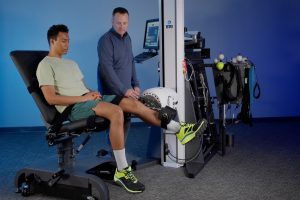
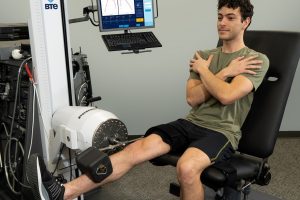
Ergometer physical therapy uses specialized exercise equipment that measures and controls work output to deliver targeted therapeutic interventions. Unlike standard fitness equipment, therapeutic ergometers provide precise resistance adjustments and detailed performance metrics required for clinical rehabilitation protocols.
Key therapeutic mechanisms include:
- Controlled resistance training – Ergometers allow therapists to gradually increase workload based on patient progress and tolerance levels
- Cardiovascular conditioning – Sustained, low-impact exercise improves heart and lung function while minimizing joint stress
- Objective measurement – Real-time data on power output, heart rate, and exercise duration enables precise treatment monitoring
- Progressive overload – Systematic increases in exercise intensity promote strength and endurance gains
Clinical-grade ergometers differ significantly from fitness equipment in several critical areas:
| Feature Category | Clinical-Grade Ergometers | Standard Fitness Ergometers | Clinical Significance |
| Safety Features | Emergency stops, progress monitoring integration | Basic safety mechanisms | Prevents injury during therapy sessions |
| Measurement Precision | Calibrated resistance, accurate power output tracking | Minimal or no performance metrics | Enables precise treatment protocols |
| Accessibility | Wheelchair access, adjustable positioning, assistive features | Standard user positioning | Accommodates patients with disabilities |
| Resistance Control | Fine-tuned adjustments, therapeutic range setting | General fitness resistance levels | Allows gradual progression for injured patients |
| Data Integration | Electronic health record compatibility, progress tracking | Basic workout logging | Supports clinical documentation and outcomes |

Ergometer therapy integrates with other physical therapy methods including manual therapy, therapeutic exercise, and functional training to create comprehensive rehabilitation programs.
Medical Conditions and Injuries That Benefit from Ergometer Therapy
Ergometer therapy serves as a cornerstone treatment for numerous medical conditions where controlled exercise and cardiovascular conditioning support recovery and functional improvement. Healthcare providers prescribe ergometer protocols based on specific patient needs and rehabilitation goals.
The following table outlines common applications of ergometer therapy across different medical conditions:
| Medical Condition Category | Specific Conditions | Primary Therapeutic Goals | Recommended Ergometer Type | Typical Treatment Duration |
| Cardiac Rehabilitation | Heart attack recovery, bypass surgery, heart failure | Improve cardiovascular endurance, reduce cardiac risk factors | Cycle ergometer, arm/upper body ergometer | 8-12 weeks, 3x/week |
| Neurological Conditions | Stroke recovery, spinal cord injury, traumatic brain injury | Restore motor function, improve coordination, build endurance | Upper body ergometer, adapted cycle ergometer | 12-24 weeks, 2-3x/week |
| Orthopedic Injuries | ACL reconstruction, rotator cuff repair, joint replacement | Regain strength, improve range of motion, restore function | Specific to injury location (arm or cycle ergometer) | 6-16 weeks, 2-3x/week |
| Pulmonary Rehabilitation | COPD, asthma, post-pneumonia recovery | Increase lung capacity, improve breathing efficiency | Low-intensity cycle or arm ergometer | 8-12 weeks, 2-3x/week |
| Deconditioning | Prolonged bed rest, chronic illness, post-surgical weakness | Rebuild general fitness, prevent muscle atrophy | Progressive cycle or rowing ergometer | 4-8 weeks, 3-4x/week |
Cardiac rehabilitation represents the most established use of ergometer therapy, with research supporting its effectiveness in improving mobility following heart events.
Orthopedic rehabilitation uses ergometers to maintain cardiovascular fitness while protecting healing tissues, allowing patients to exercise safely during recovery periods.
Clinical Ergometer Equipment Types and Their Therapeutic Applications
Physical therapy facilities use various ergometer types, each designed to address specific rehabilitation needs and patient populations. Clinical-grade ergometers incorporate specialized features that support therapeutic goals while ensuring patient safety and comfort.
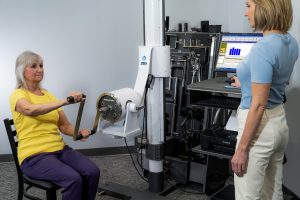
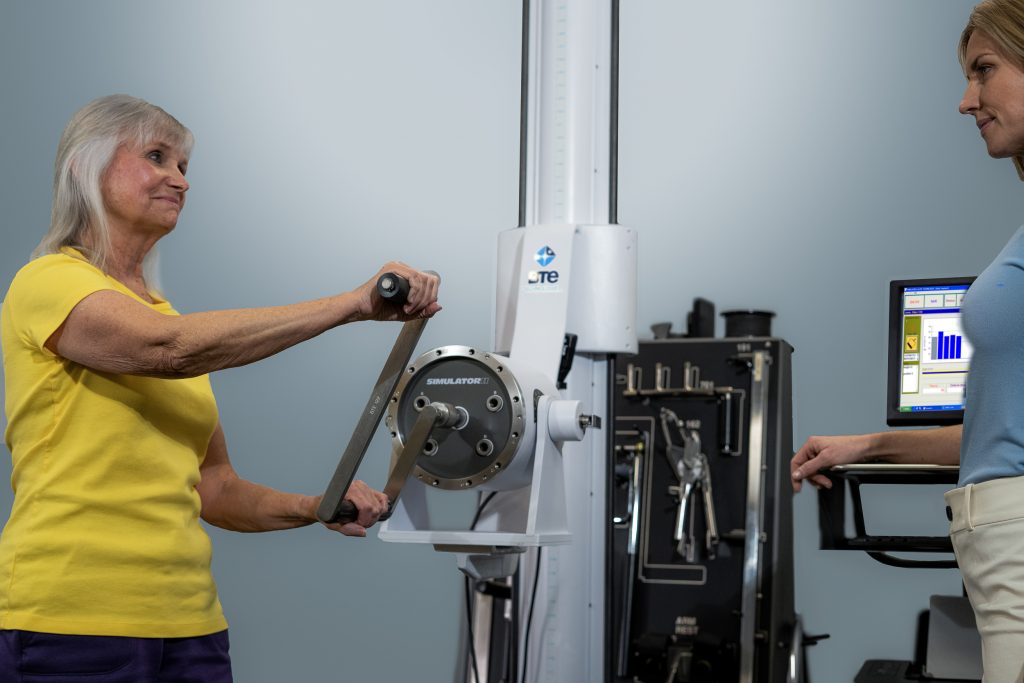
Upper body/arm ergometers target shoulder, arm, and core rehabilitation while providing cardiovascular benefits for patients with lower extremity limitations. These devices feature:
- Adjustable seat height and positioning for wheelchair accessibility
- Variable resistance settings for progressive strengthening
- Reverse pedaling capability for balanced muscle development
- Heart rate monitoring and safety controls
Cycle ergometers serve as the foundation for lower extremity rehabilitation and general cardiovascular conditioning. Therapeutic cycle ergometers include:
- Recumbent positioning for back support and stability
- Precise control for consistent workload delivery
- Accommodations for limited range of motion
- Integration with gait training protocols
Rowing ergometers provide full-body rehabilitation combining cardiovascular, strength, and coordination training. Clinical rowing machines offer:
- Adjustable resistance for various fitness levels
- Proper biomechanical positioning to prevent injury
- Real-time feedback on technique and performance
- Modifications for patients with mobility limitations
Clinical-grade features distinguish therapeutic ergometers from fitness equipment through enhanced safety mechanisms, precise measurement capabilities, and accessibility accommodations. These features ensure effective treatment delivery while minimizing risk of re-injury or complications.
The selection of ergometer type depends on patient-specific factors including injury location, functional limitations, cardiovascular status, and rehabilitation goals. Physical therapists evaluate these factors to determine the most appropriate equipment for each patient’s treatment plan.
Conclusion
Ergometer physical therapy provides a scientifically-backed approach to rehabilitation that combines precise exercise control with measurable outcomes. The therapy’s effectiveness stems from its ability to deliver targeted cardiovascular and strength training while accommodating various medical conditions and functional limitations. Understanding the different types of ergometers and their clinical applications helps patients and healthcare providers select appropriate treatment options. Companies like BTE provide clinical-grade rehabilitation equipment that includes ergometer functions, such as Simulator II and PrimusRS.