-
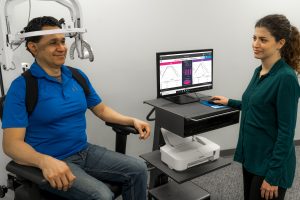
Cervical range of motion (ROM) measures how far the neck joints can move, expressed in degrees across different planes. Healthcare providers use these measurements to assess neck injuries, track rehabilitation progress, and identify movement restrictions that affect daily activities. If you’re standardizing programs across providers, pairing ROM with consistent neck strengthening progressions helps keep care…
-
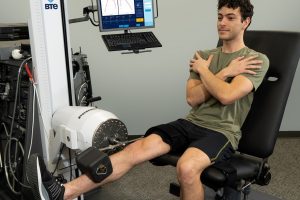
Manual muscle testing is the most widely used strength assessment in rehab. Every PT and OT learns it, nearly every clinic uses it, and for confirming gross weakness or screening quickly at the bedside, it does a real job. It is not going anywhere — and it shouldn’t. But here is something worth addressing: MMT…
-

Today's emphasis on patient engagement strategies represents an important shift in modern healthcare. The patient-provider relationship has become more collaborative than ever. With these patient engagement strategies, you can maximize efficiency and provide better clinical outcomes.
-

Since sciatica is a form of radiculopathy, a lumbar herniated disc is usually to blame. Some research shows that a lumbar herniated disc causes up to 90% of sciatica cases. Stretches and exercise are often the most effective methods to address sciatica pain.
-

Learn to identify cervical spine pathology through common symptoms, pain patterns, and underlying causes. Discover key warning signs and when to seek care.
-
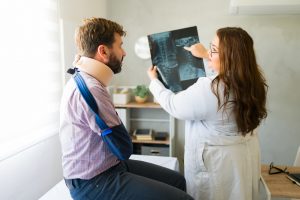
Whiplash Associated Disorder (WAD) symptoms can fluctuate, span multiple systems, and be difficult to measure consistently over time. That makes both treatment and documentation challenging, especially when progress needs to be clearly demonstrated. This guide breaks down WAD, how it’s classified, and how clinicians can better evaluate and track recovery.
-
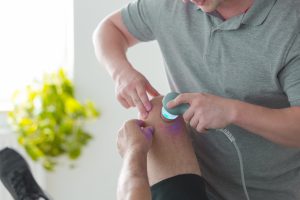
Discover how to strategically implement ultrasound machines for physical therapy to improve patient outcomes, streamline workflows, and boost clinic profitability. Expert protocols, device selection criteria, and proven case studies for modern PT practices.
-
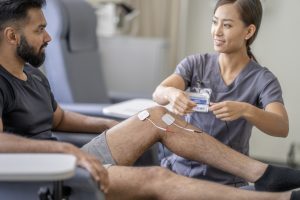
Unlock the power of electric muscle stimulators in physical therapy. Learn evidence-based strategies to optimize muscle re-education, accelerate recovery, and improve patient outcomes. Explore our solutions.
-
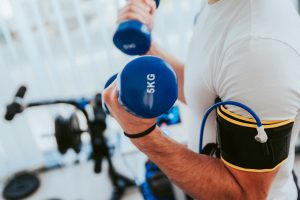
Elevate your BFR training protocols with objective strength and functional data. Improve patient outcomes, enhance medical necessity, and optimize clinic efficiency.
-
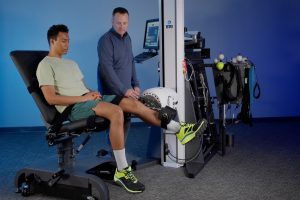
Discover proven isokinetic exercise examples with objective data tracking. Enhance rehab protocols with techniques, equipment guidelines, and measurable outcomes.
-

Choose the right rehabilitation modality for consistent results. Get evidence-based guidance on equipment, compliance , and reimbursement optimization.
-
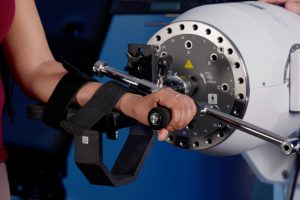
Discover how to measure, test, and strengthen wrist flexion and extension using clinical tools, functional exercises, and targeted rehab protocols.