-
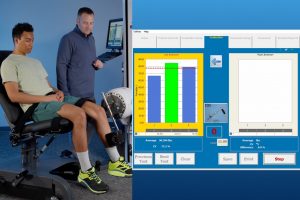
If there is one finding rehab research agrees on in knee osteoarthritis, it is this: quadriceps weakness is among the most consistent drivers of OA-related pain and function loss. It predicts who develops the disease, who progresses, and who ends up needing a joint replacement. So most programs set out to “strengthen the quad.” The…
-
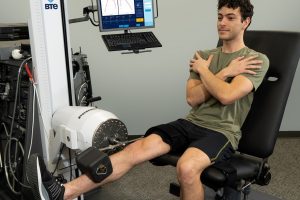
Manual muscle testing is the most widely used strength assessment in rehab. Every PT and OT learns it, nearly every clinic uses it, and for confirming gross weakness or screening quickly at the bedside, it does a real job. It is not going anywhere — and it shouldn’t. But here is something worth addressing: MMT…
-
Dynamometry testing for return to sport gives clinicians the objective strength data they need to make defensible clearance decisions. Manual muscle testing misses meaningful deficits, and time-based protocols alone don’t cut it anymore. This article breaks down the types of dynamometry, the metrics that matter beyond peak torque, how to standardize your testing protocols, and…
-

If you’ve treated patients with patellar tendonitis, then you know the sesamoids in the knee. The smaller sesamoid bones of the hand and feet play a big role in other conditions, but they’re often overlooked. Let’s explore the anatomy, function, and rehab techniques for sesamoid bones.
-

Since sciatica is a form of radiculopathy, a lumbar herniated disc is usually to blame. Some research shows that a lumbar herniated disc causes up to 90% of sciatica cases. Stretches and exercise are often the most effective methods to address sciatica pain.
-
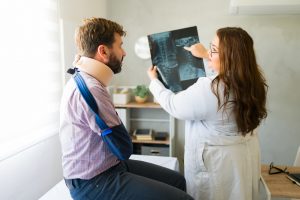
Whiplash Associated Disorder (WAD) symptoms can fluctuate, span multiple systems, and be difficult to measure consistently over time. That makes both treatment and documentation challenging, especially when progress needs to be clearly demonstrated. This guide breaks down WAD, how it’s classified, and how clinicians can better evaluate and track recovery.
-

About isotonic movement in muscles and how they maintain tension while changing length during dynamic contractions.
-

Discover how strategic ADL equipment selection drives measurable patient outcomes, streamlines documentation for reimbursement, and differentiates your occupational therapy practice. Get actionable insights for clinic owners, OTs, and healthcare administrators to maximize both clinical success and business growth.
-
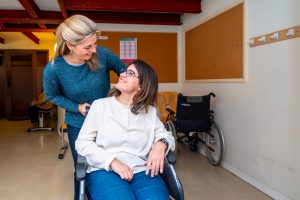
Learn what adaptive physical therapy is, who it serves, and how to implement adaptive PT techniques to expand your clinic’s impact and patient outcomes.
-
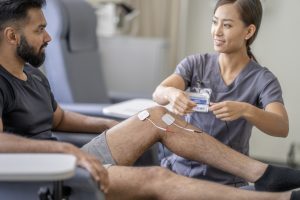
Unlock the power of electric muscle stimulators in physical therapy. Learn evidence-based strategies to optimize muscle re-education, accelerate recovery, and improve patient outcomes. Explore our solutions.
-
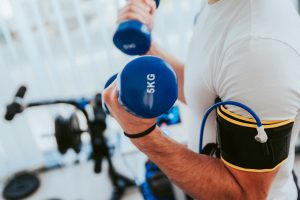
Elevate your BFR training protocols with objective strength and functional data. Improve patient outcomes, enhance medical necessity, and optimize clinic efficiency.
-
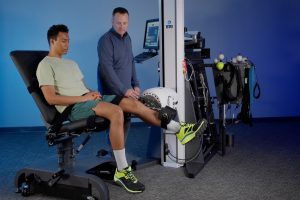
Discover proven isokinetic exercise examples with objective data tracking. Enhance rehab protocols with techniques, equipment guidelines, and measurable outcomes.