-

The Rapid Exchange Grip (REG) test helps clinicians assess consistency of effort in grip strength testing by having patients rapidly alternate gripping between hands.
-

If you’ve treated patients with patellar tendonitis, then you know the sesamoids in the knee. The smaller sesamoid bones of the hand and feet play a big role in other conditions, but they’re often overlooked. Let’s explore the anatomy, function, and rehab techniques for sesamoid bones.
-

Today's emphasis on patient engagement strategies represents an important shift in modern healthcare. The patient-provider relationship has become more collaborative than ever. With these patient engagement strategies, you can maximize efficiency and provide better clinical outcomes.
-

Since sciatica is a form of radiculopathy, a lumbar herniated disc is usually to blame. Some research shows that a lumbar herniated disc causes up to 90% of sciatica cases. Stretches and exercise are often the most effective methods to address sciatica pain.
-

Learn to identify cervical spine pathology through common symptoms, pain patterns, and underlying causes. Discover key warning signs and when to seek care.
-
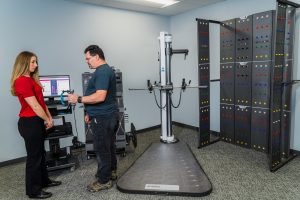
Learn about the difference between work conditioning vs. work hardening—both structured rehabilitation programs that help injured workers safely return to their jobs.
-
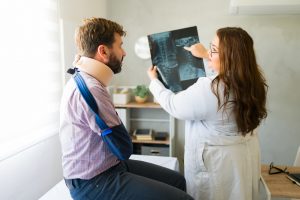
Whiplash Associated Disorder (WAD) symptoms can fluctuate, span multiple systems, and be difficult to measure consistently over time. That makes both treatment and documentation challenging, especially when progress needs to be clearly demonstrated. This guide breaks down WAD, how it’s classified, and how clinicians can better evaluate and track recovery.
-

Learn about the Berg Balance Scale (BBS), a clinical assessment tool with 14 functional balance tasks that evaluate fall risk and balance problems in adults.
-

Learn about widely adopted rehab outcome measures including FIM, Berg Balance Scale, and DASH for different patient populations.
-

Explore stroke rehab exercises and data-driven protocols that boost patient outcomes, streamline clinic workflow, and support reimbursement.
-

How Objective Data is Revolutionizing Rehab Therapy for Better Outcomes and a Stronger Business
CategoriesImprove your Clinic; How data-driven rehab improves clinical decisions, patient engagement, and business performance.
-

Learn how Functional Capacity Evaluations use standardized tests and job-specific tasks to objectively measure a patient’s physical work abilities.